Project About
Historical Excursion: The Significance of the Alsterpavilion
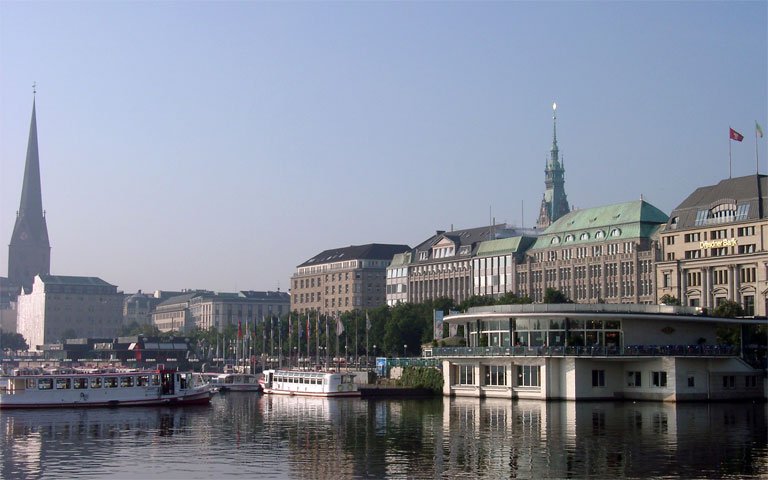
The Alsterpavilion is an iconic historical landmark located on the lakeside of Hamburg. It holds exceptional cultural and architectural value for the city and remains one of its most cherished public sites. Originally constructed in the late 18th century, the pavilion has served multiple functions throughout its history, including a tea house, a restaurant, and a venue for social gatherings. Over the centuries, it has witnessed the transformation of Hamburg’s urban life, reflecting the evolution of the city’s society, traditions, and cultural identity.
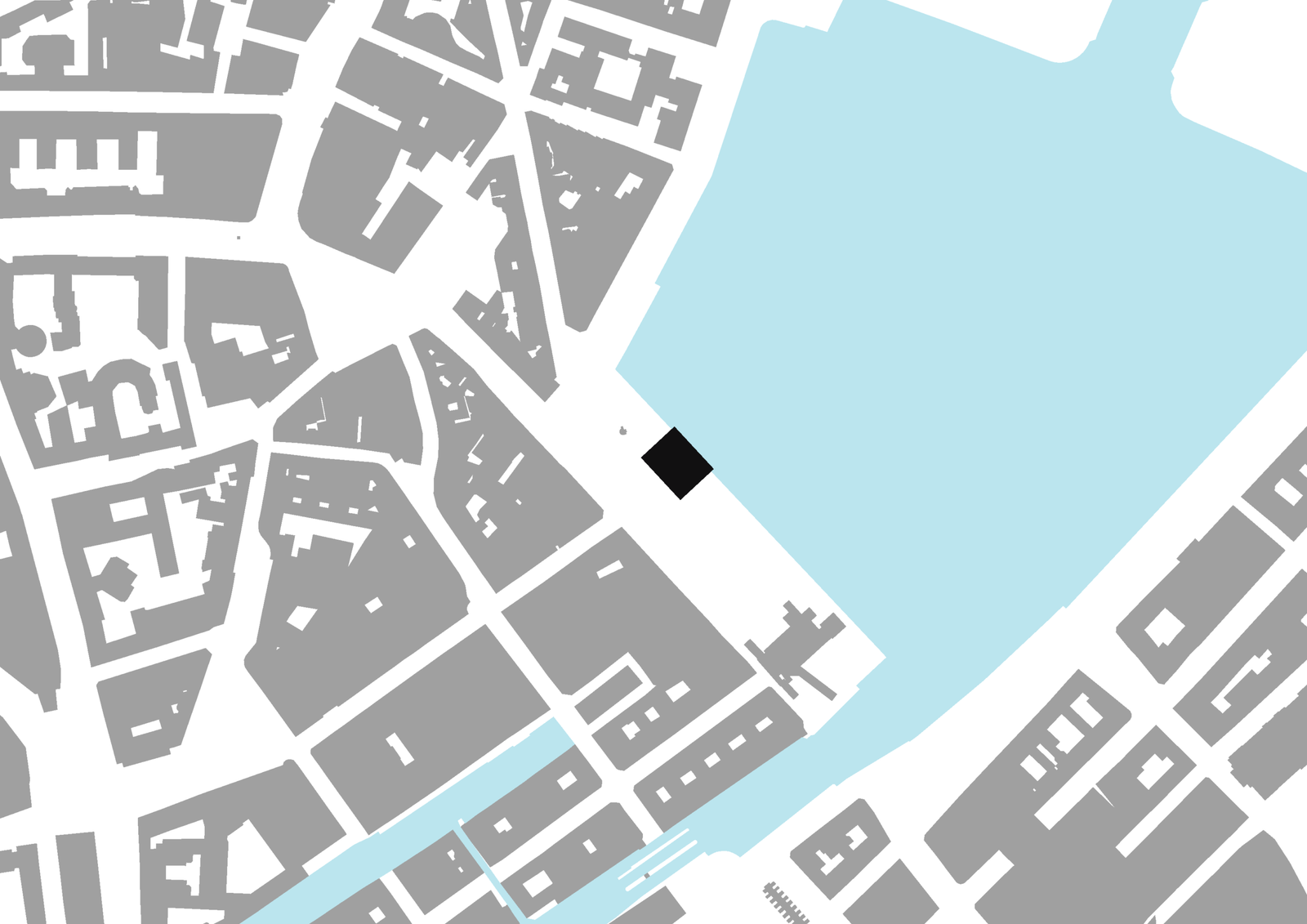
Today, the Alsterpavilion stands not only as a historic structure but also as a symbol of Hamburg’s architectural continuity. By proposing a new restaurant adjacent to the pavilion, there is an opportunity to pay homage to this important heritage site while introducing new vitality into the surrounding area. Through careful architectural decisions, the new intervention can establish a respectful dialogue between past and present. The selection of materials, proportions, and spatial organization can preserve the pavilion’s legacy while enriching the experience of the lakeside environment.
Historical Architectural Identity of Hamburg: Old and Modern Hamburg
Hamburg is widely recognized for its rich architectural heritage, shaped by a unique mixture of medieval, Renaissance, Baroque, and modernist influences. The cityscape is defined by the coexistence of historic monuments and contemporary structures, creating a layered urban identity where old and new architecture interact continuously.
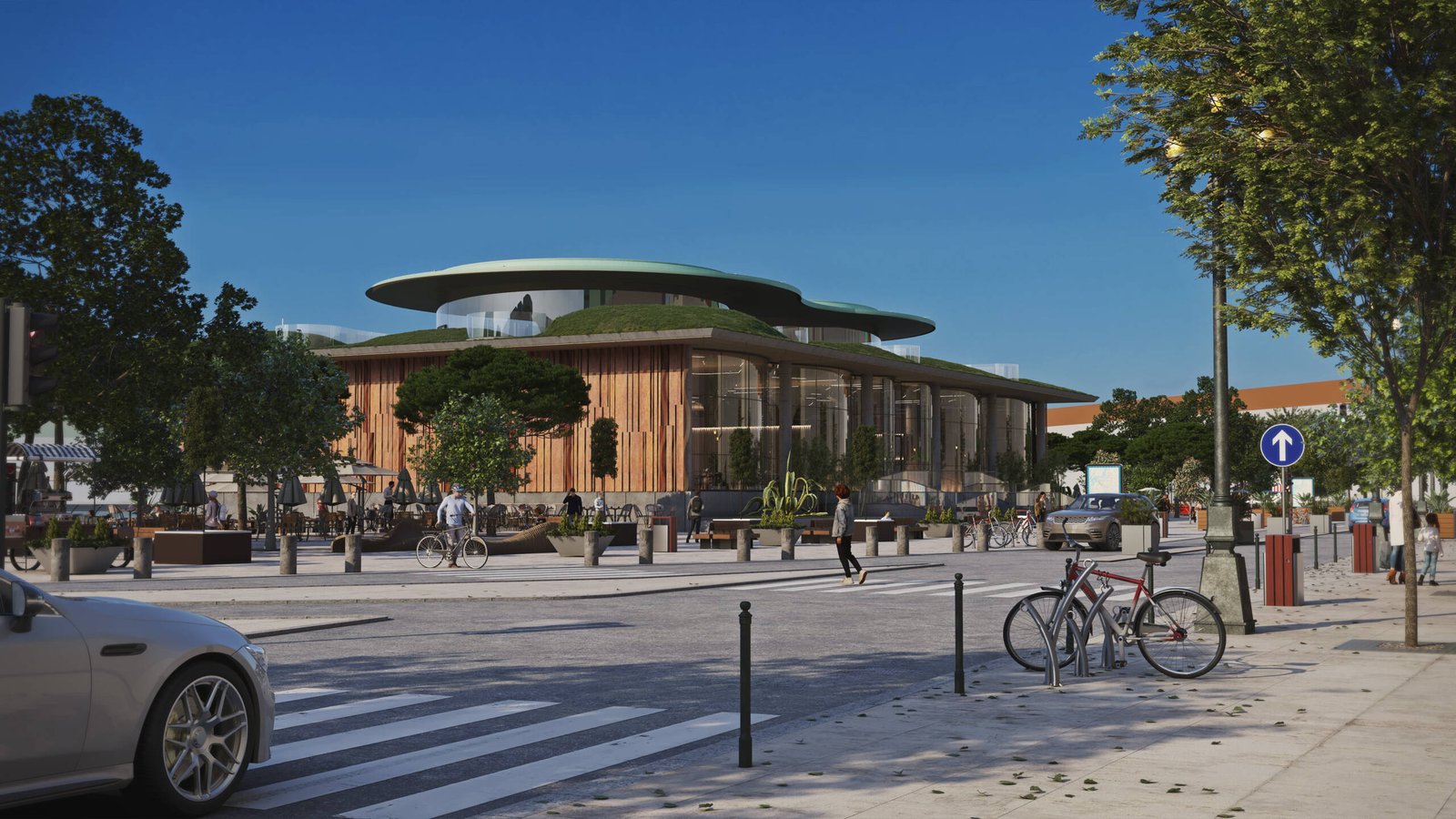
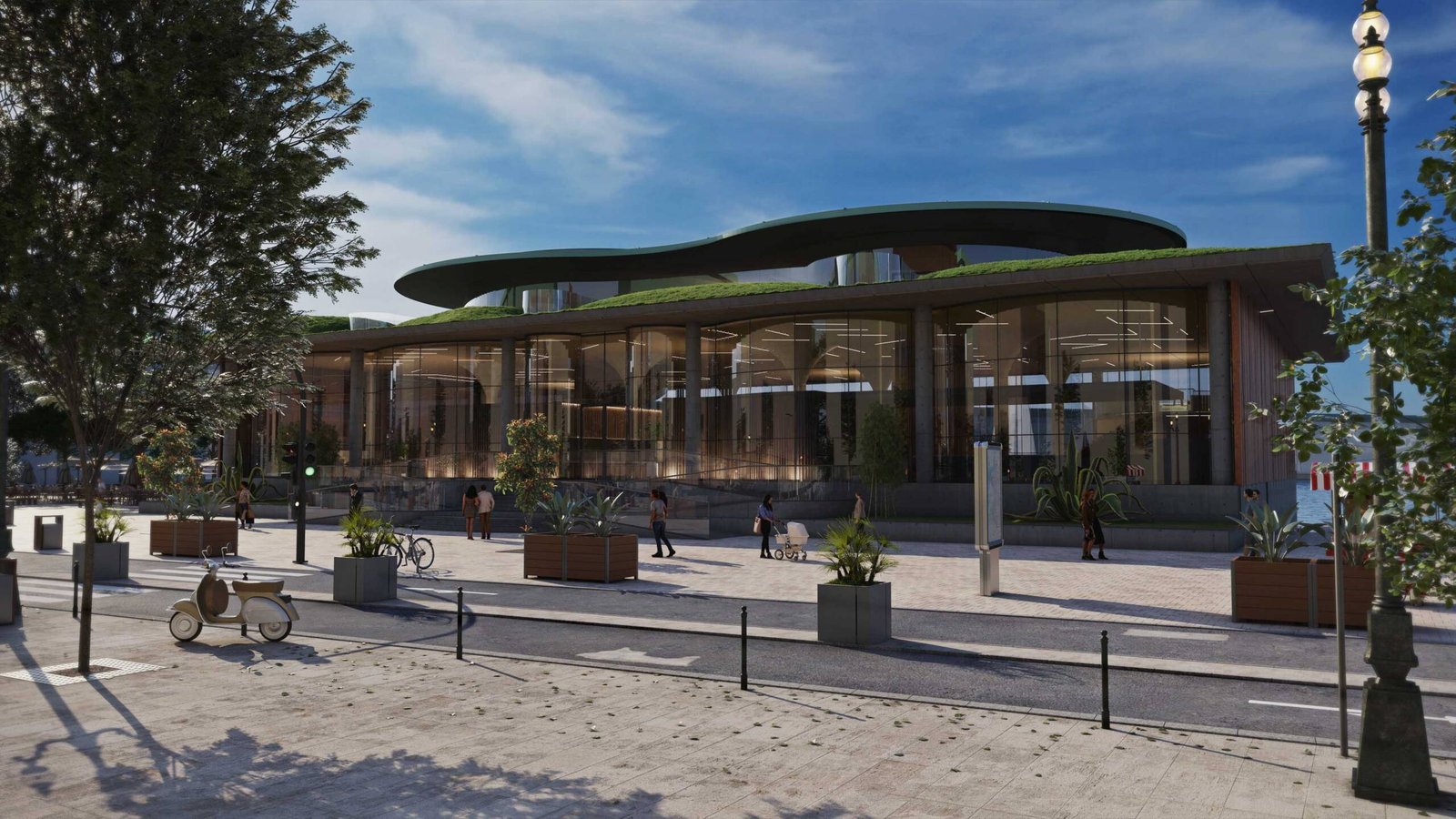
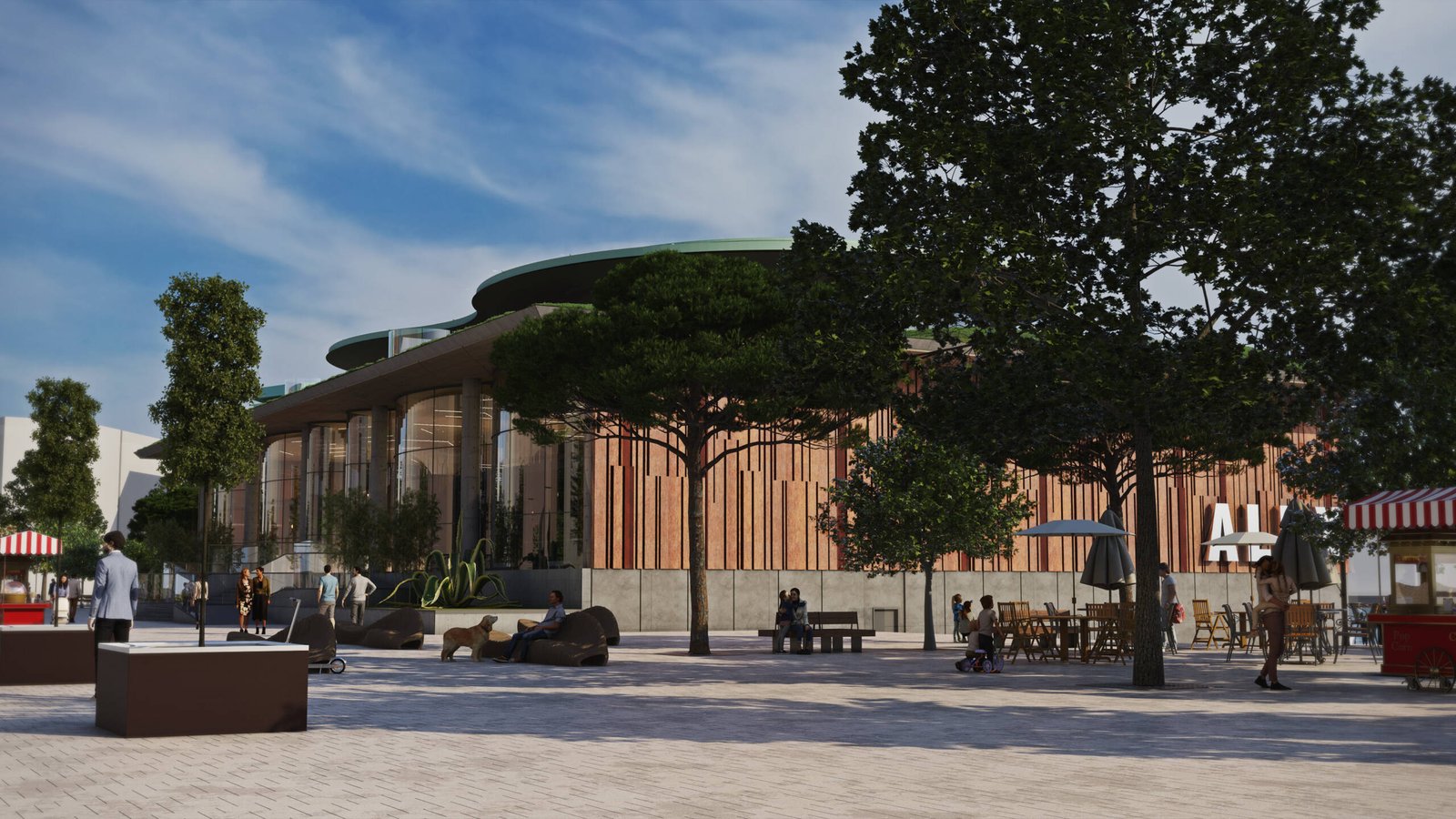
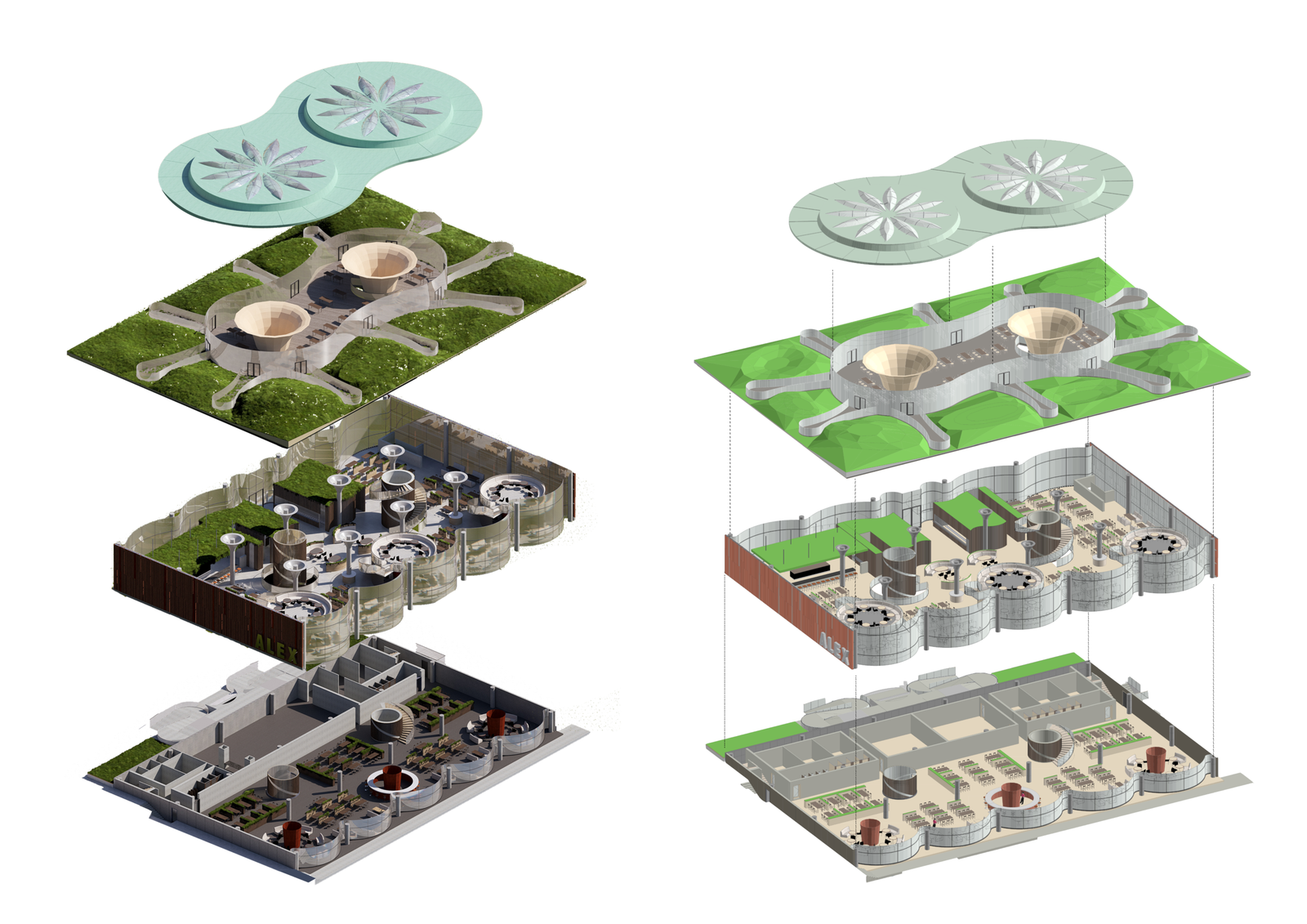
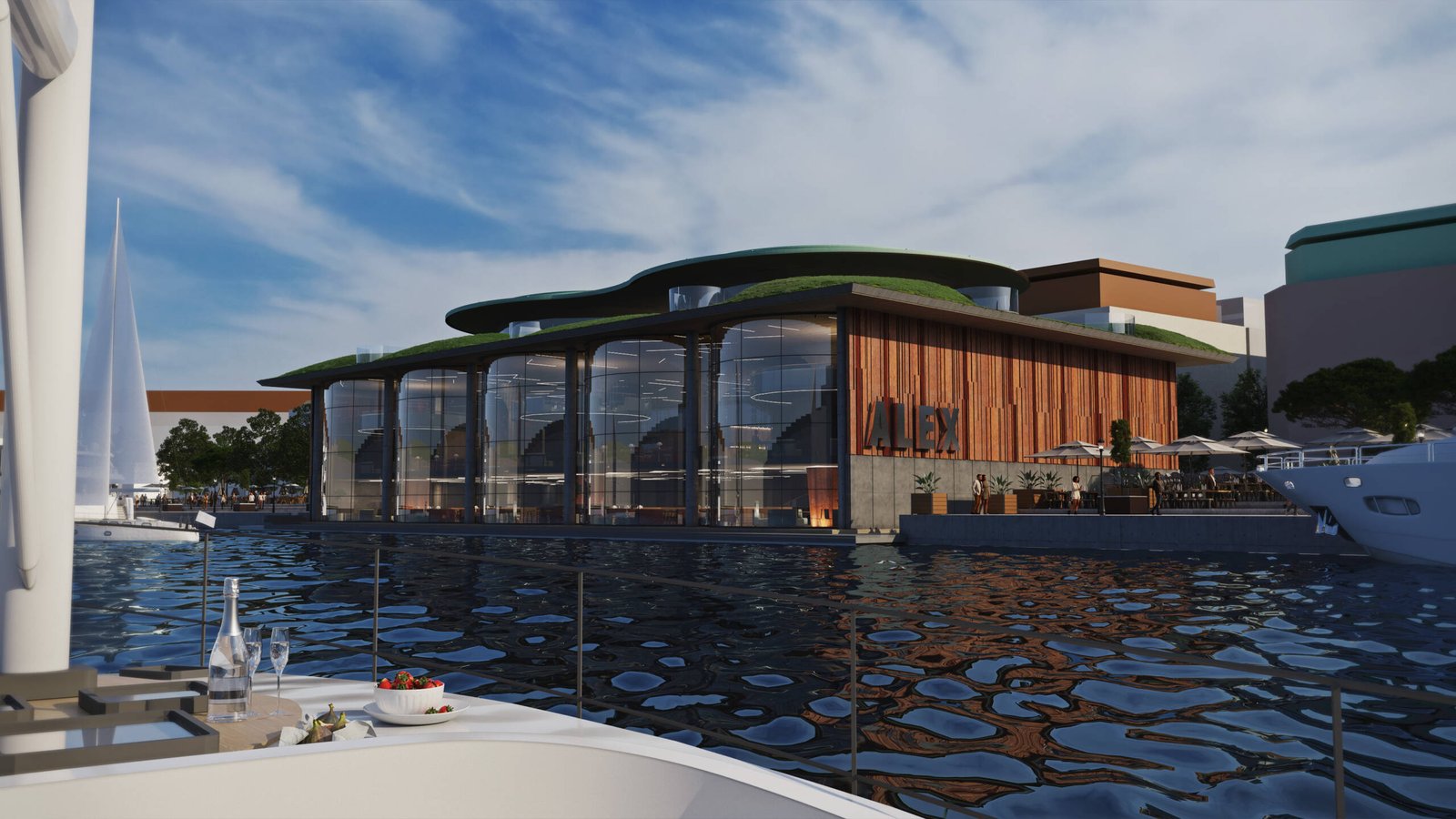
This juxtaposition provides an inspiring context for the design of the new restaurant. Architectural elements such as a green roof and large transparent facades offer the possibility to contribute meaningfully to Hamburg’s evolving architectural tapestry. By incorporating materials such as corten steel, concrete, and aged copper, the new building can express a contemporary interpretation of the city’s historical character.
These materials are deeply connected to Hamburg’s industrial and maritime past, where steel, concrete, and weathered metals have long played an important role. Their use introduces a modern architectural language while maintaining a strong contextual link to the city’s port heritage and industrial identity.
The Concept: Architectural Solution for the Alsterpavilion Ensemble
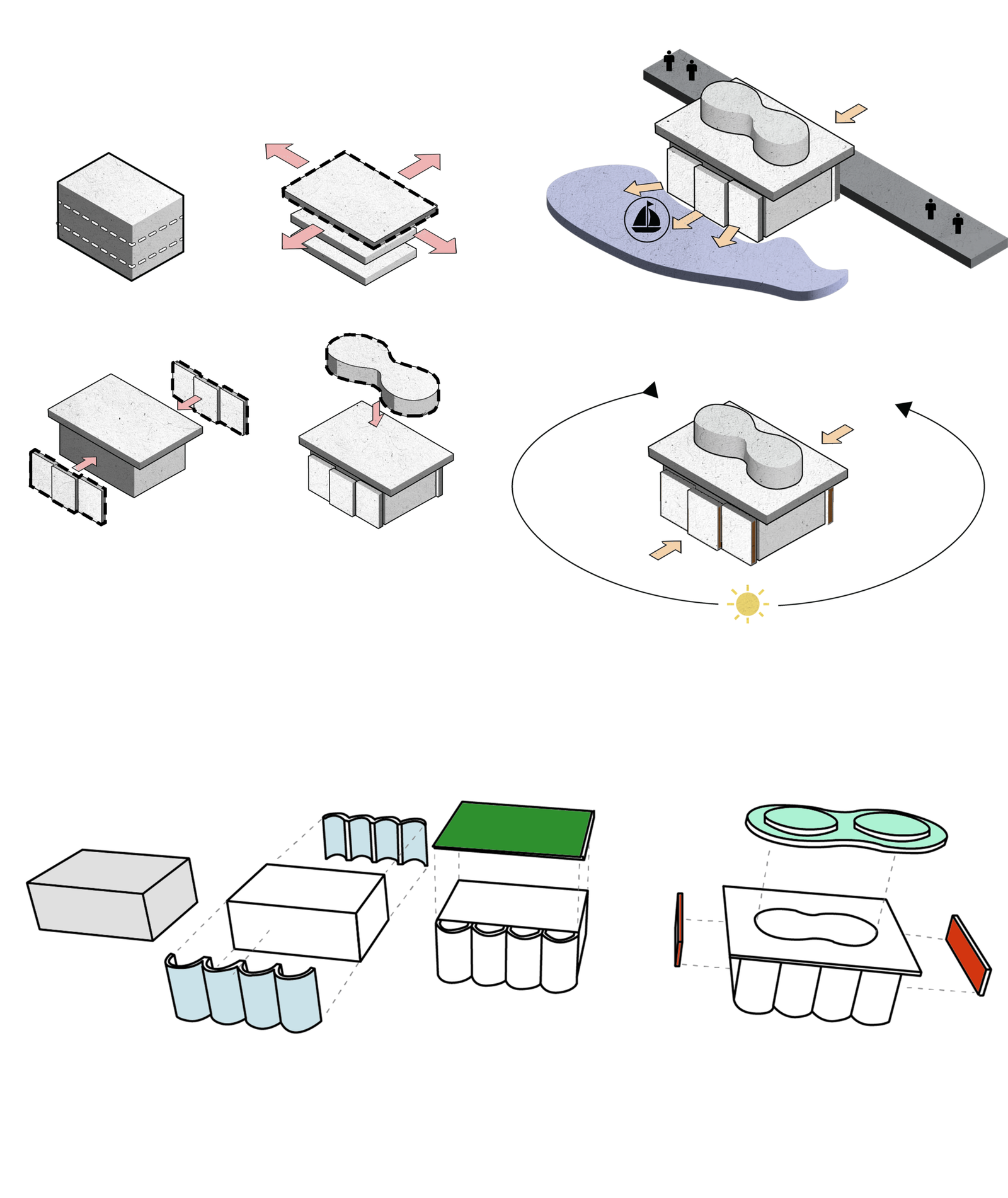
The architectural solution for the Alsterpavilion site must prioritize preservation, enhancement, and contextual harmony. It is essential to maintain the pavilion’s historical integrity, including its distinctive architectural features such as its roofline, facade articulation, ornamental detailing, and balanced proportions.
The new restaurant should be designed as a complementary extension rather than a competing object. Its architectural expression must harmonize with the pavilion, avoiding design choices that might overshadow or diminish the historical presence of the landmark. Instead, the new intervention should strengthen the pavilion’s role as the dominant cultural element of the site.
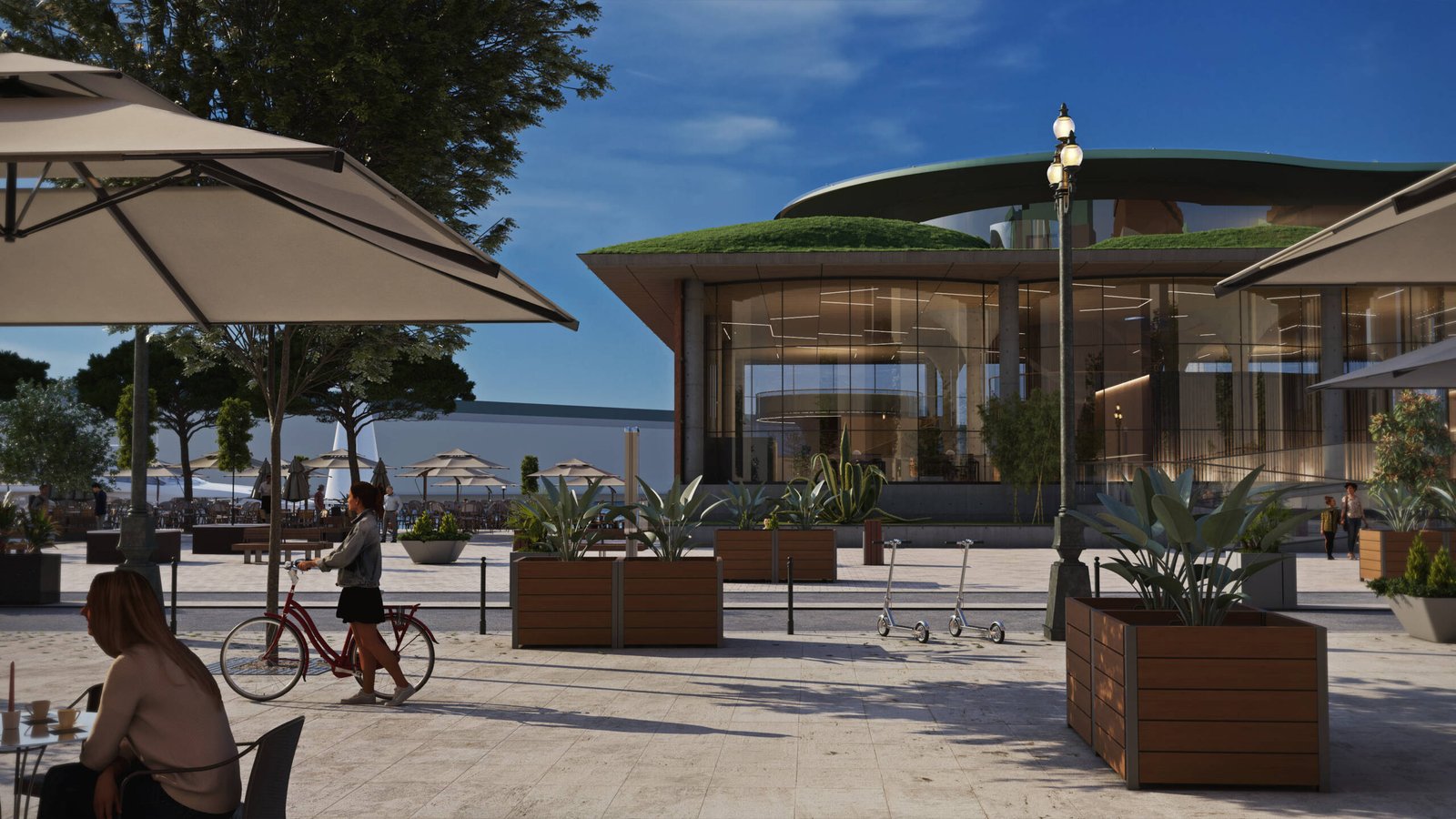
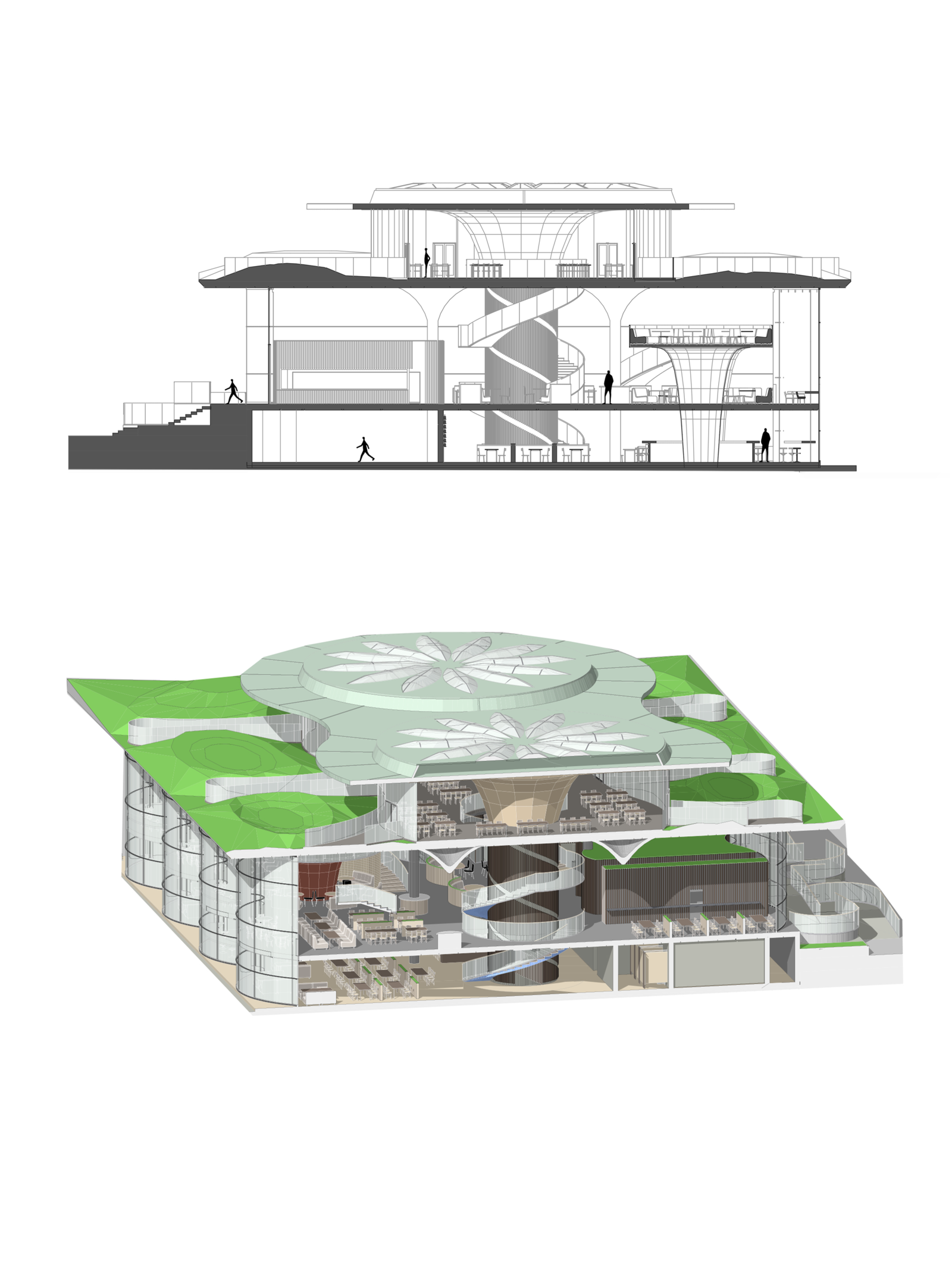
The incorporation of a green roof responds naturally to the lakeside setting, blending architecture with landscape and reinforcing the tranquil character of the environment. Large windows and transparent surfaces further enhance this relationship, creating a seamless visual connection between the interior spaces of the restaurant and the surrounding water, greenery, and urban scenery. Such openness contributes to an inviting and peaceful atmosphere for visitors and patrons.
Terrace Shafts with Lily Flower Design: Symbolism and Cultural Identity
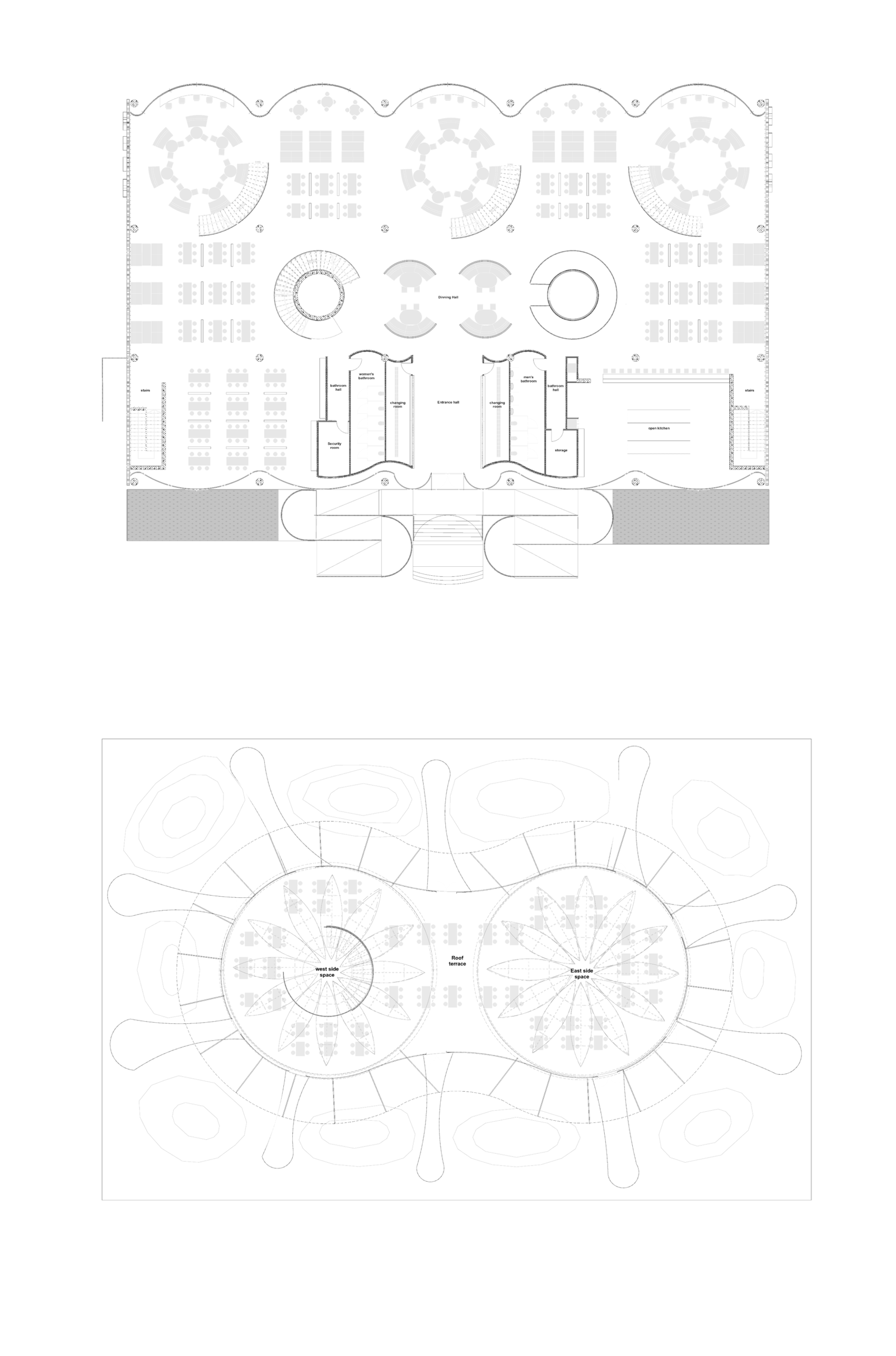
A striking and culturally significant architectural feature of the proposal is the design of the two terrace shafts leading toward the outdoor space. These elements are adorned with lily flower motifs, representing Germany’s national flower. This symbolic gesture introduces an additional layer of meaning, linking the architecture to national heritage and cultural identity.
The integration of the lily motif serves as a tribute to Germany’s traditions and offers a unique artistic detail that distinguishes the restaurant within its historic context. Beyond decoration, this element becomes a powerful representation of local pride and collective memory, creating a deeper emotional connection between the building, its users, and the surrounding community.
Conclusion
The proposed restaurant next to the Alsterpavilion is not simply an architectural addition, but a carefully considered intervention within one of Hamburg’s most historically significant lakeside environments. Through respectful material choices, harmonious proportions, and symbolic design elements, the project aims to preserve the legacy of the Alsterpavilion while introducing a contemporary space that enhances public life and strengthens the dialogue between historic and modern Hamburg.