Project About
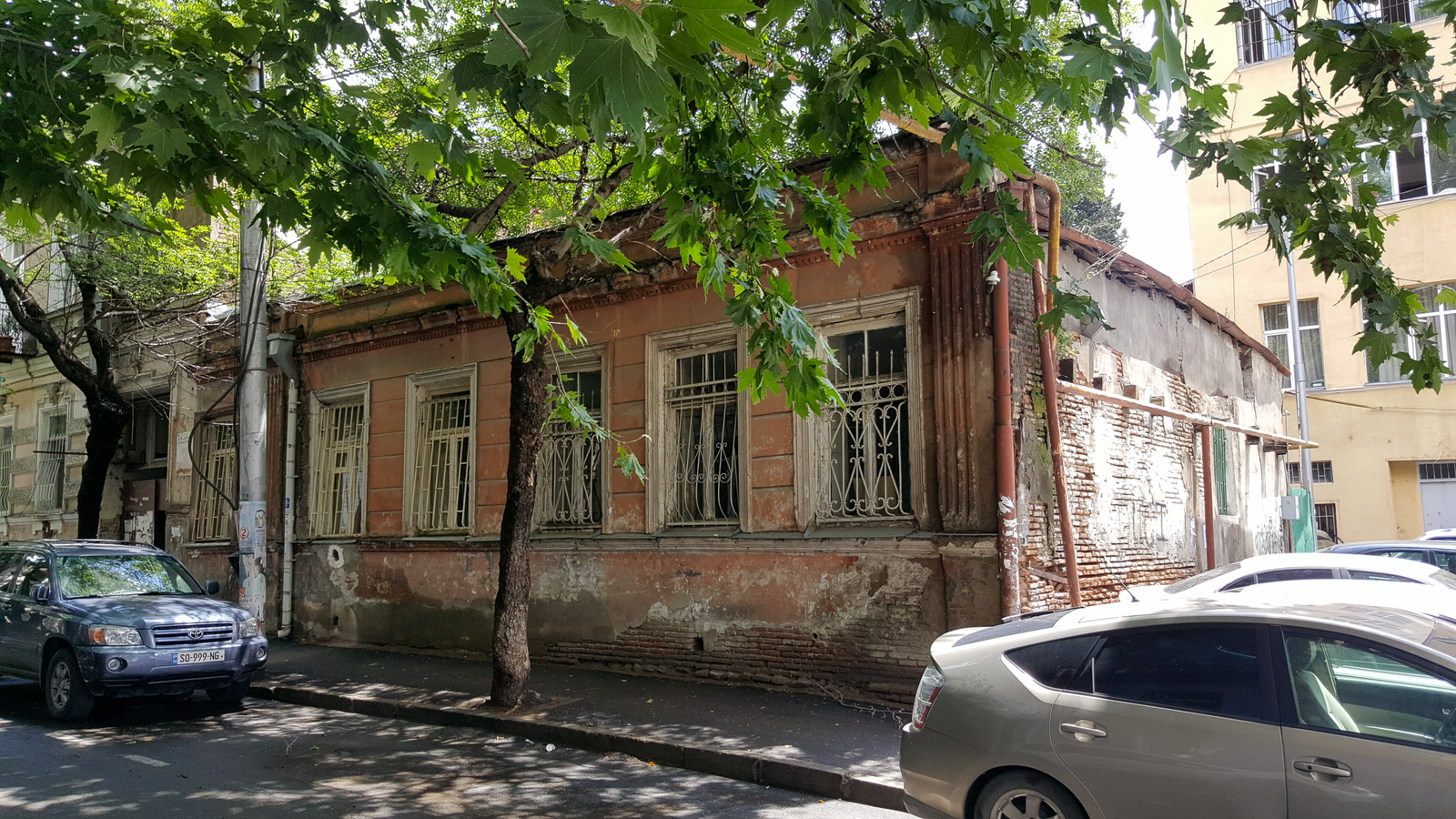
The existing building on Bako Street was constructed in the second half of the 19th century and stands as a testament to the historic character of the neighborhood. Over time, Bako Street has been recognized for its cultural and architectural significance and is now part of a formally protected heritage zone. This designation emphasizes the importance of preserving the visual and spatial qualities that define the area, ensuring that any contemporary interventions respect the historical environment.
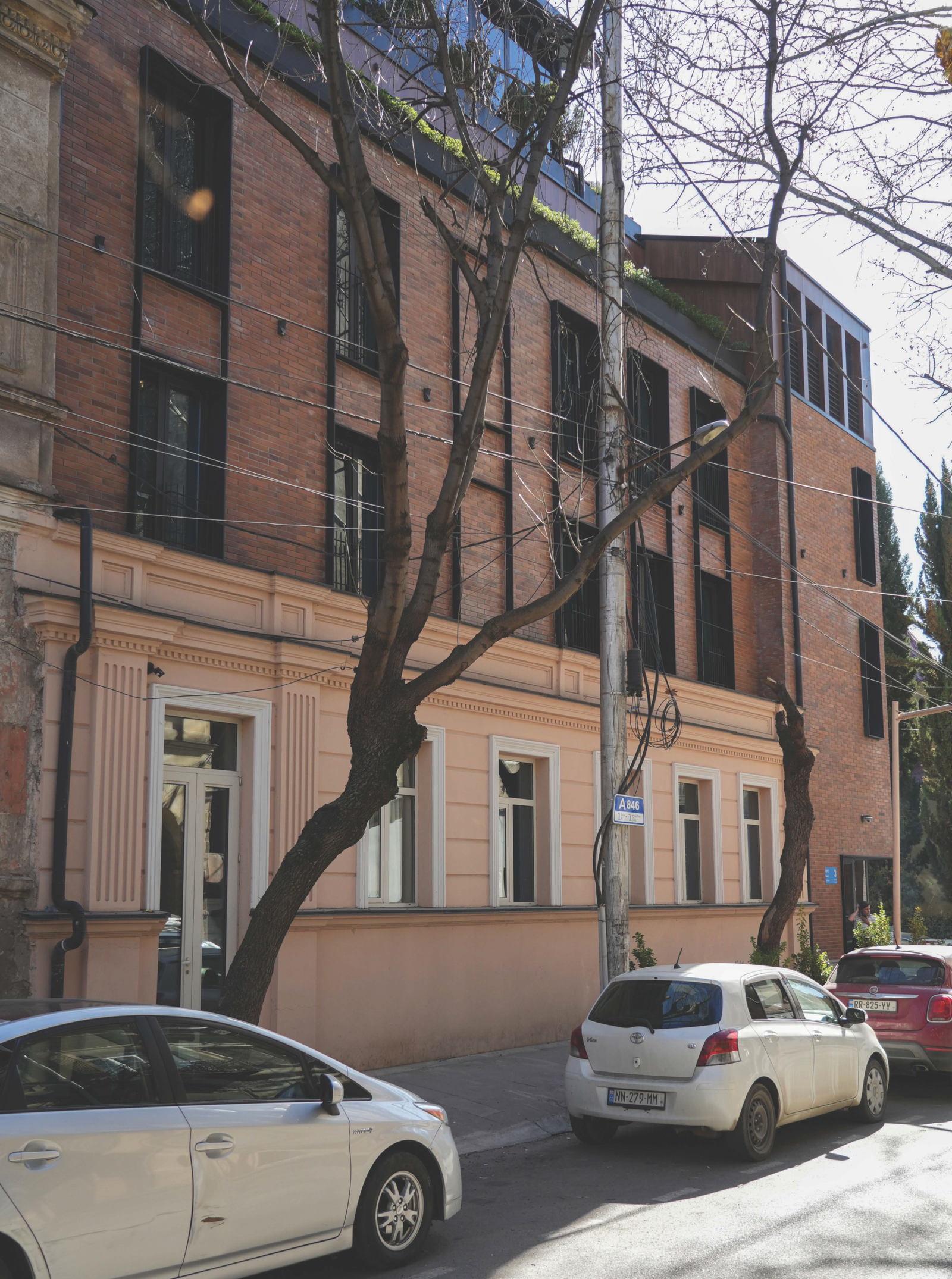
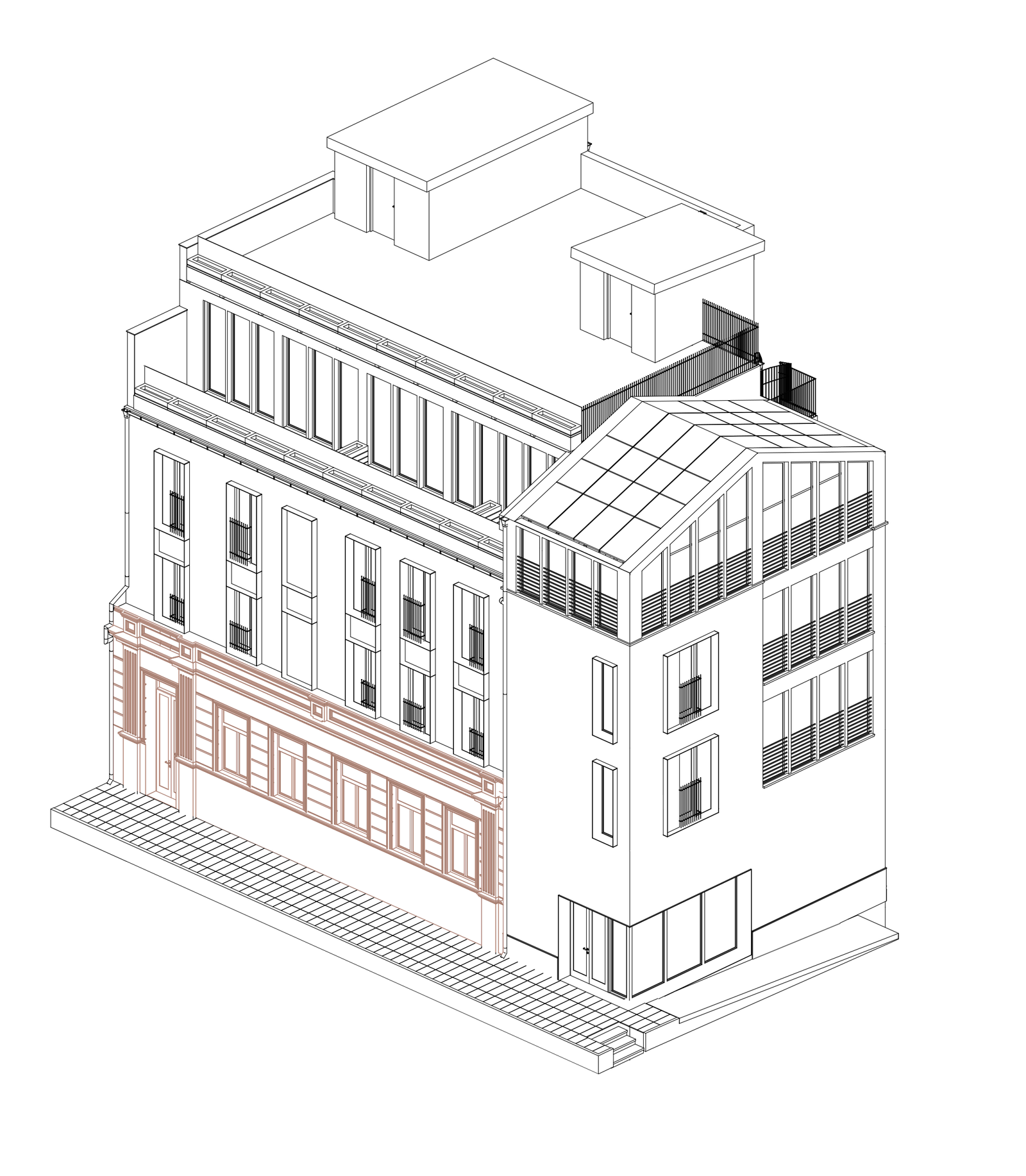
In light of these considerations, an environmental and architectural study of the existing building was conducted to assess its condition, historical value, and potential for adaptive reuse. The study concluded that the most valuable element of the structure is its street façade, which maintains the rhythm, proportions, and detailing characteristic of 19th-century Tbilisi residential architecture. To maintain the continuity of the streetscape and preserve the historic urban character, the decision was made to retain and restore the existing façade. This approach ensures that the transformation of the building into a modern hotel would not disrupt the historically formed environment of Bako Street.
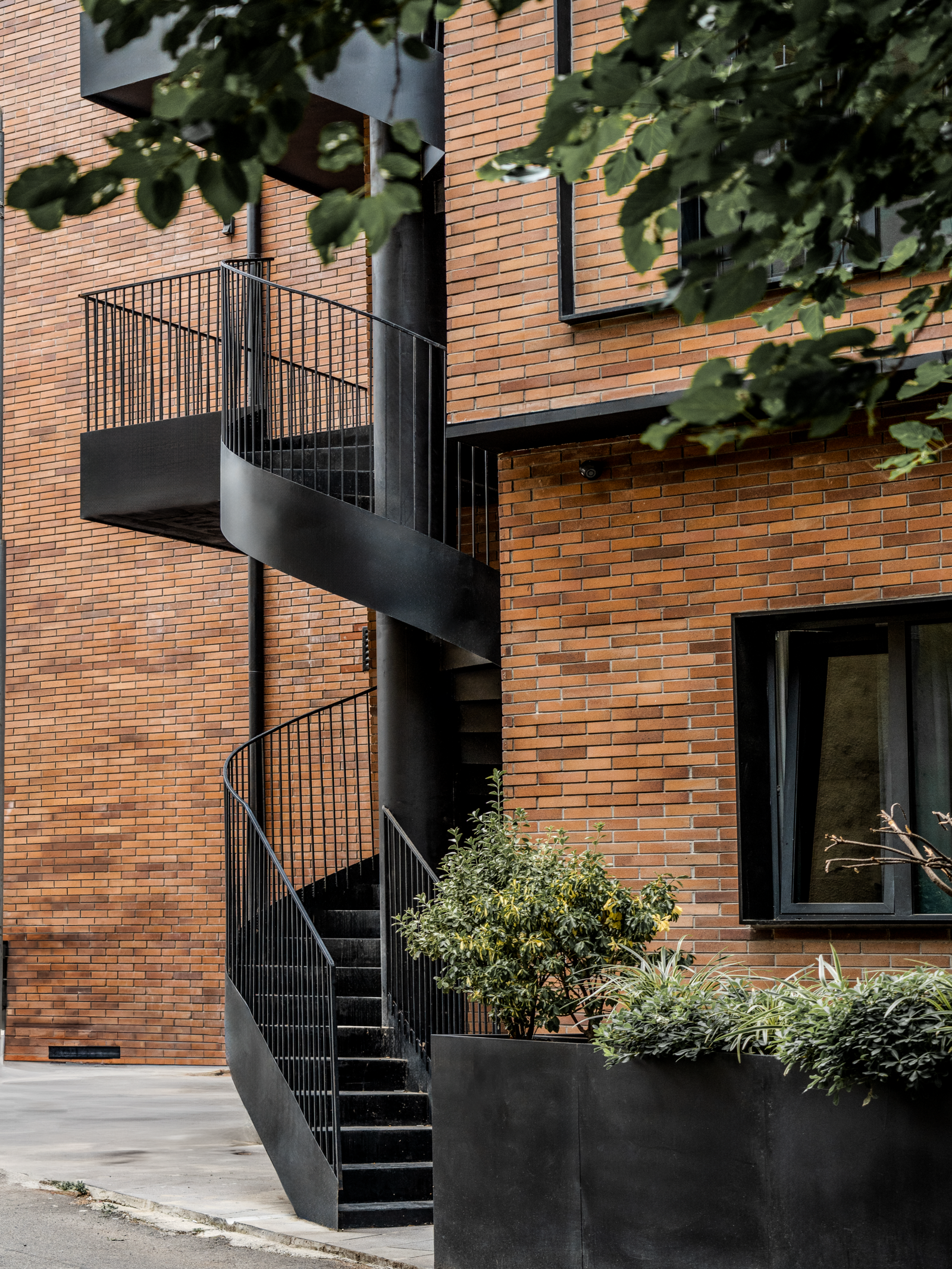
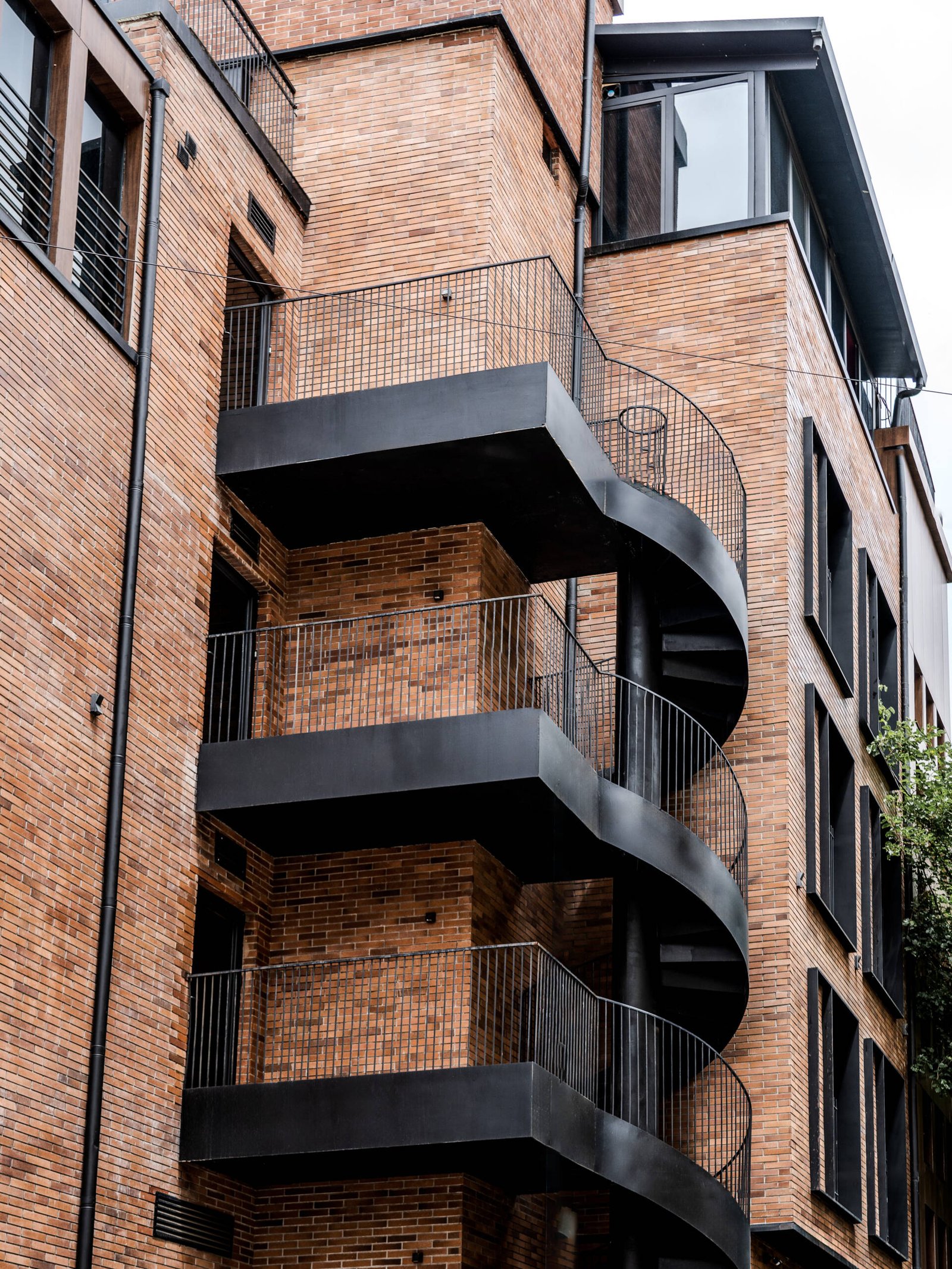
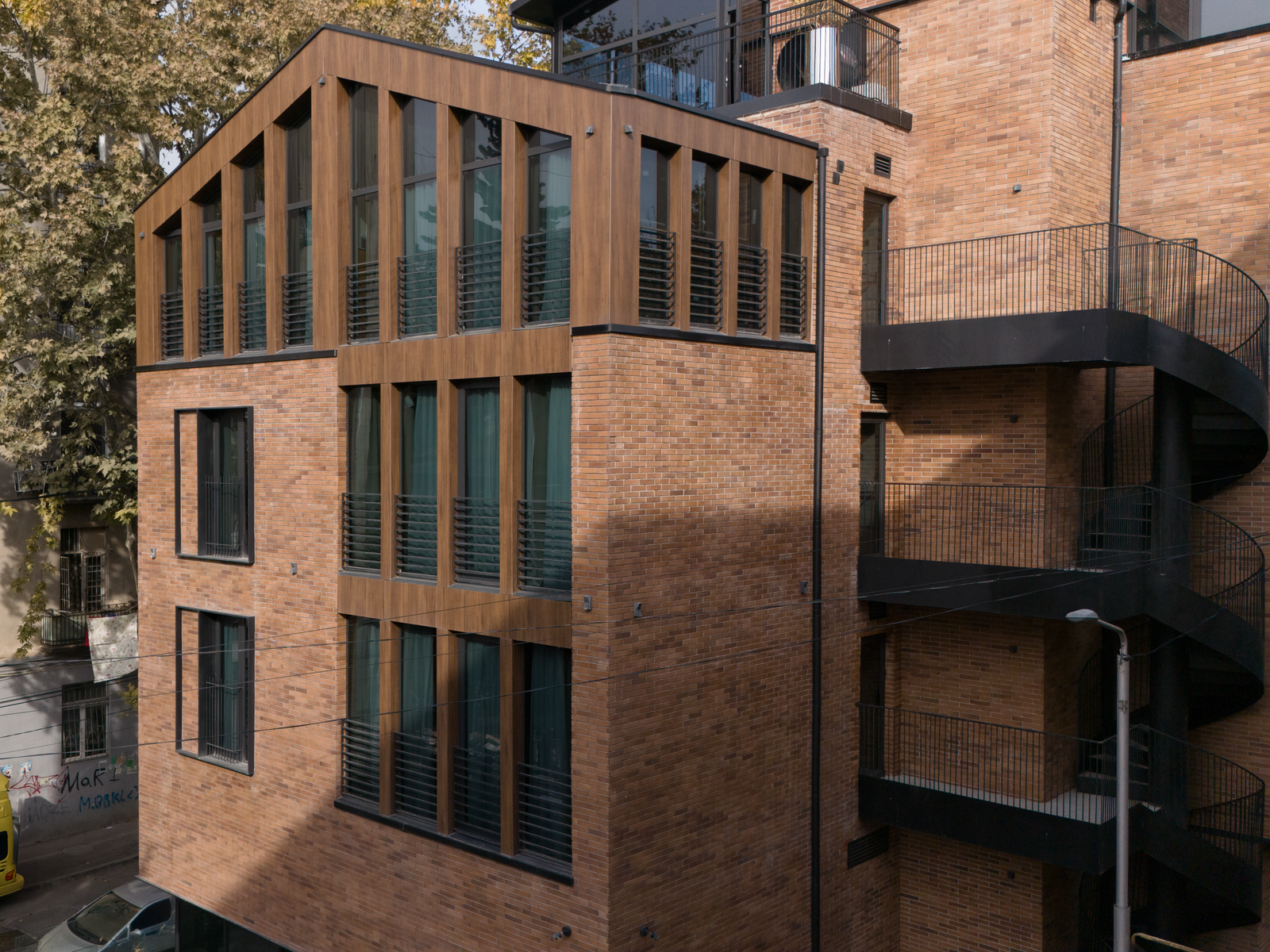
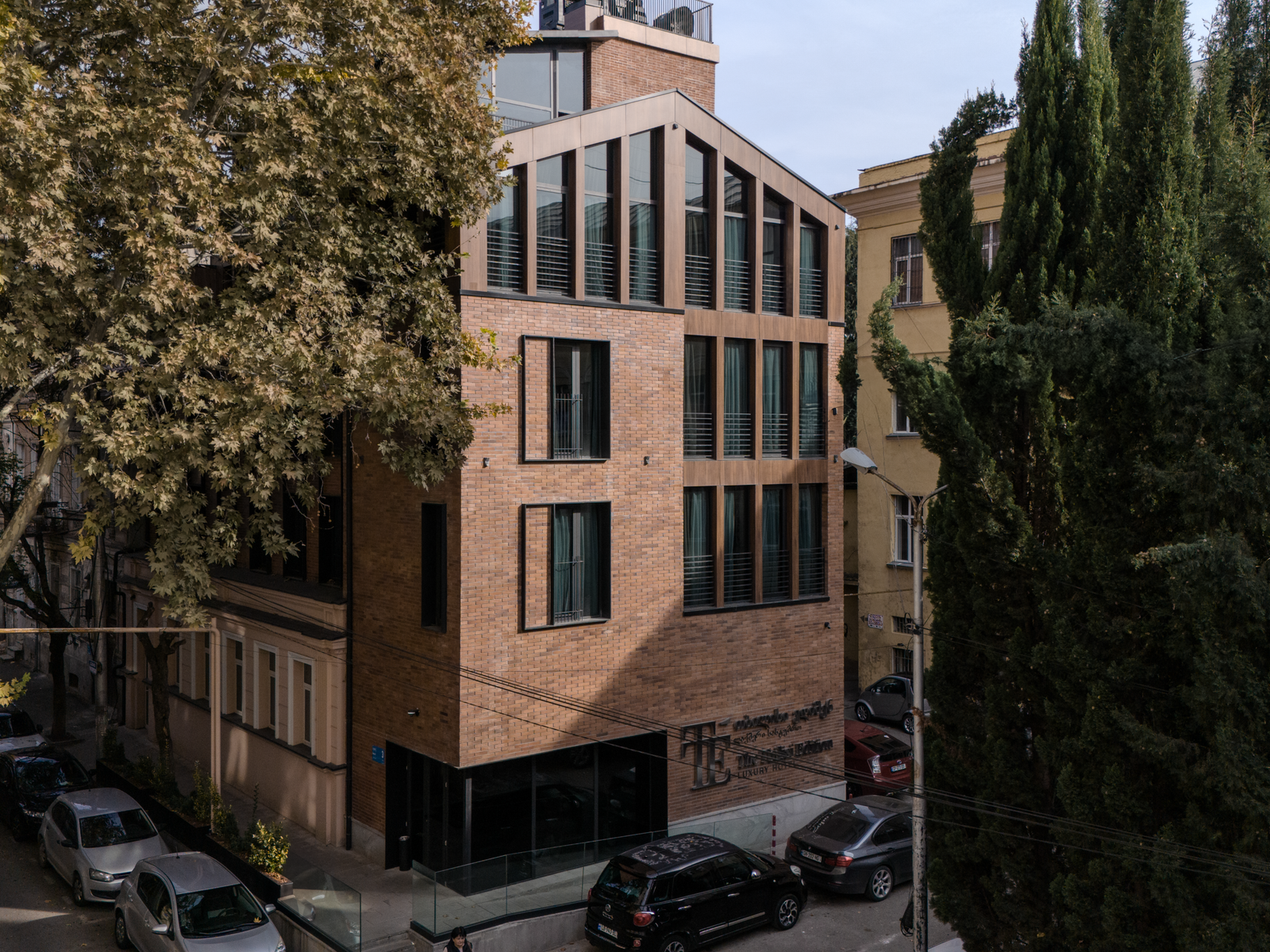
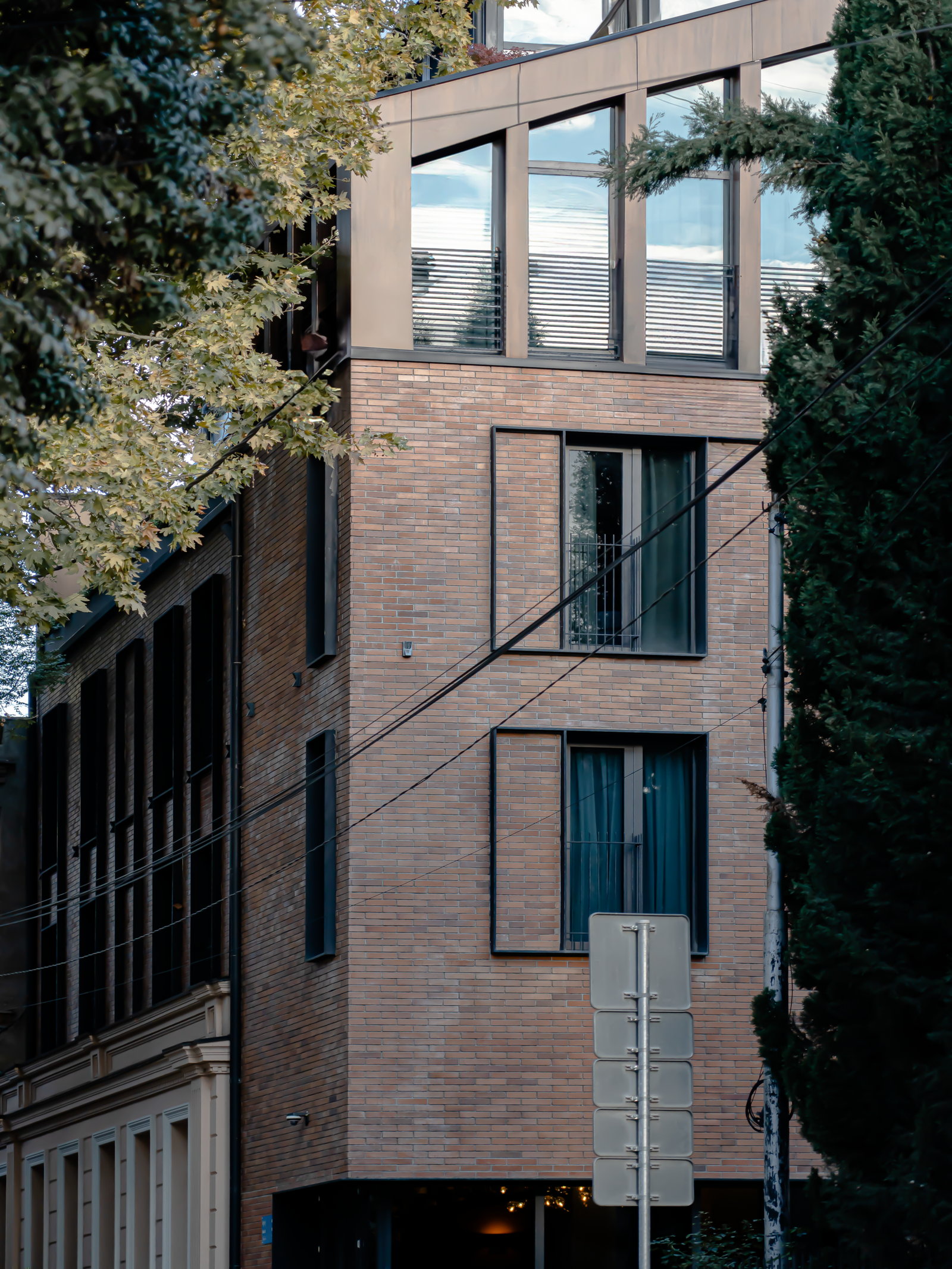
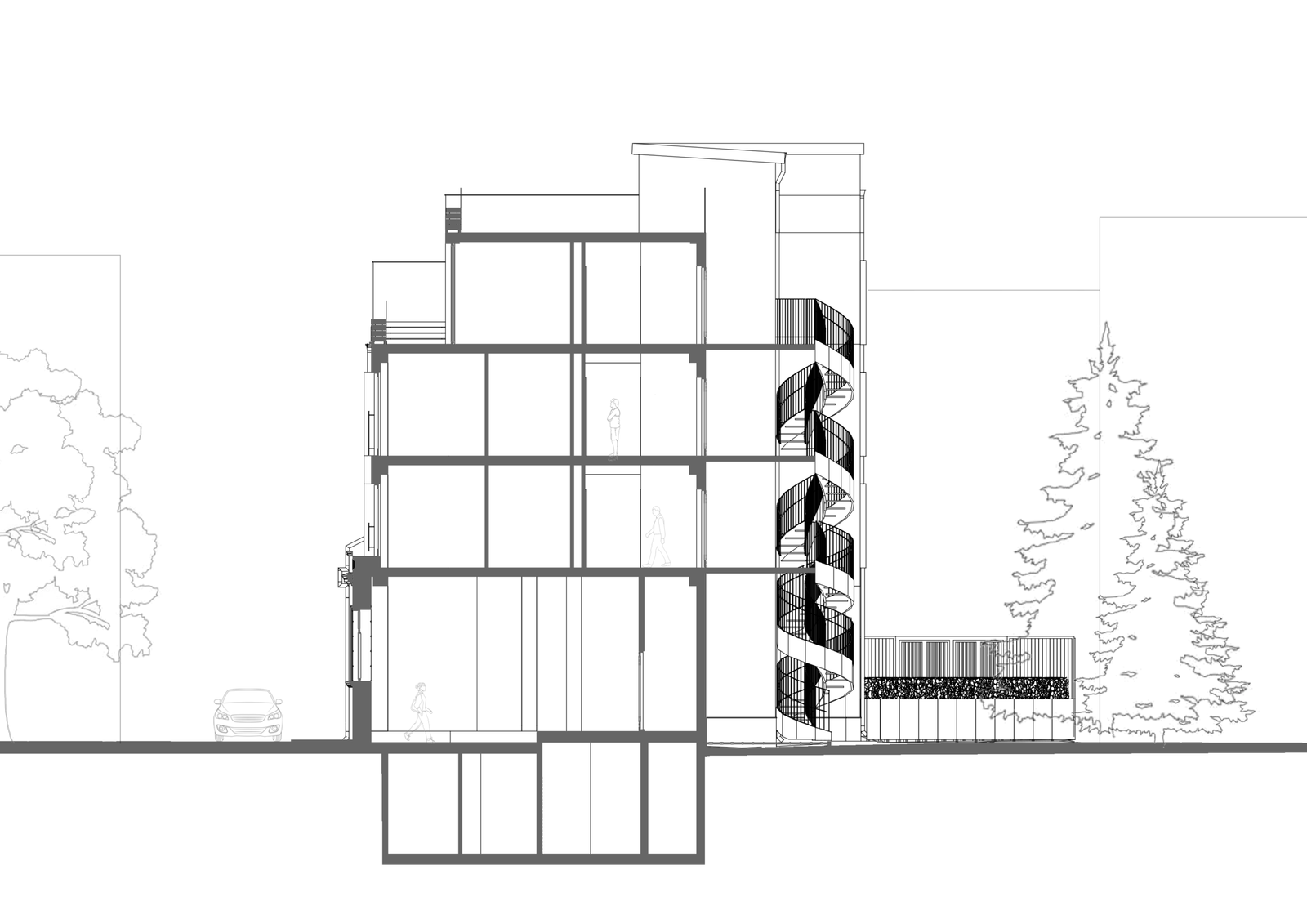
While the original façade was preserved, the building’s interior and rear volumes were reconstructed and expanded to accommodate the functional requirements of a contemporary hotel. The project includes guest rooms, public areas, and supporting facilities, all organized to create a comfortable and efficient spatial layout. The expansion was designed with careful attention to scale, massing, and materiality, ensuring that the new architectural elements complement the historic structure rather than overpower it. By maintaining a clear distinction between the preserved façade and the contemporary interventions, the project establishes a respectful dialogue between past and present.
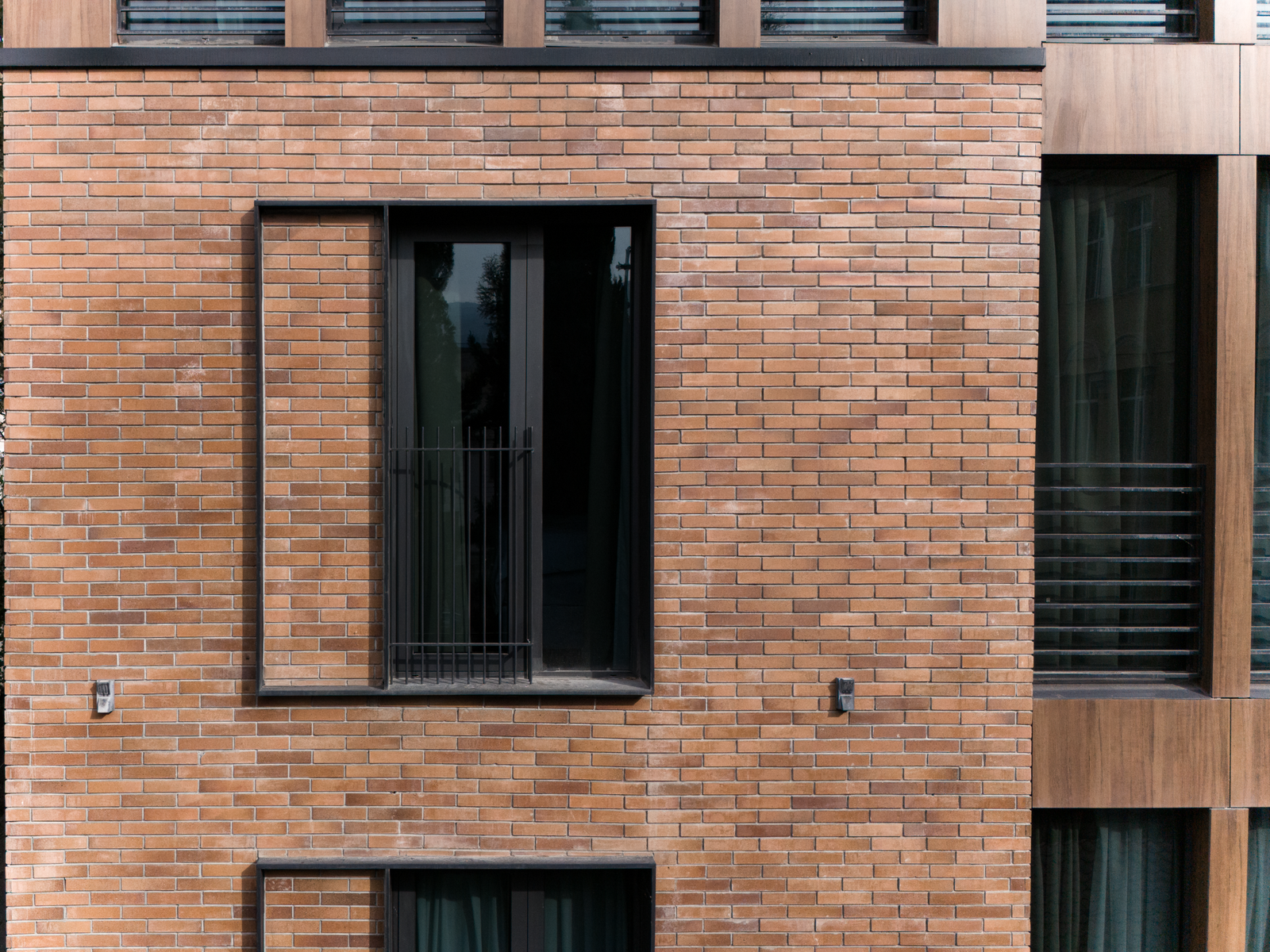
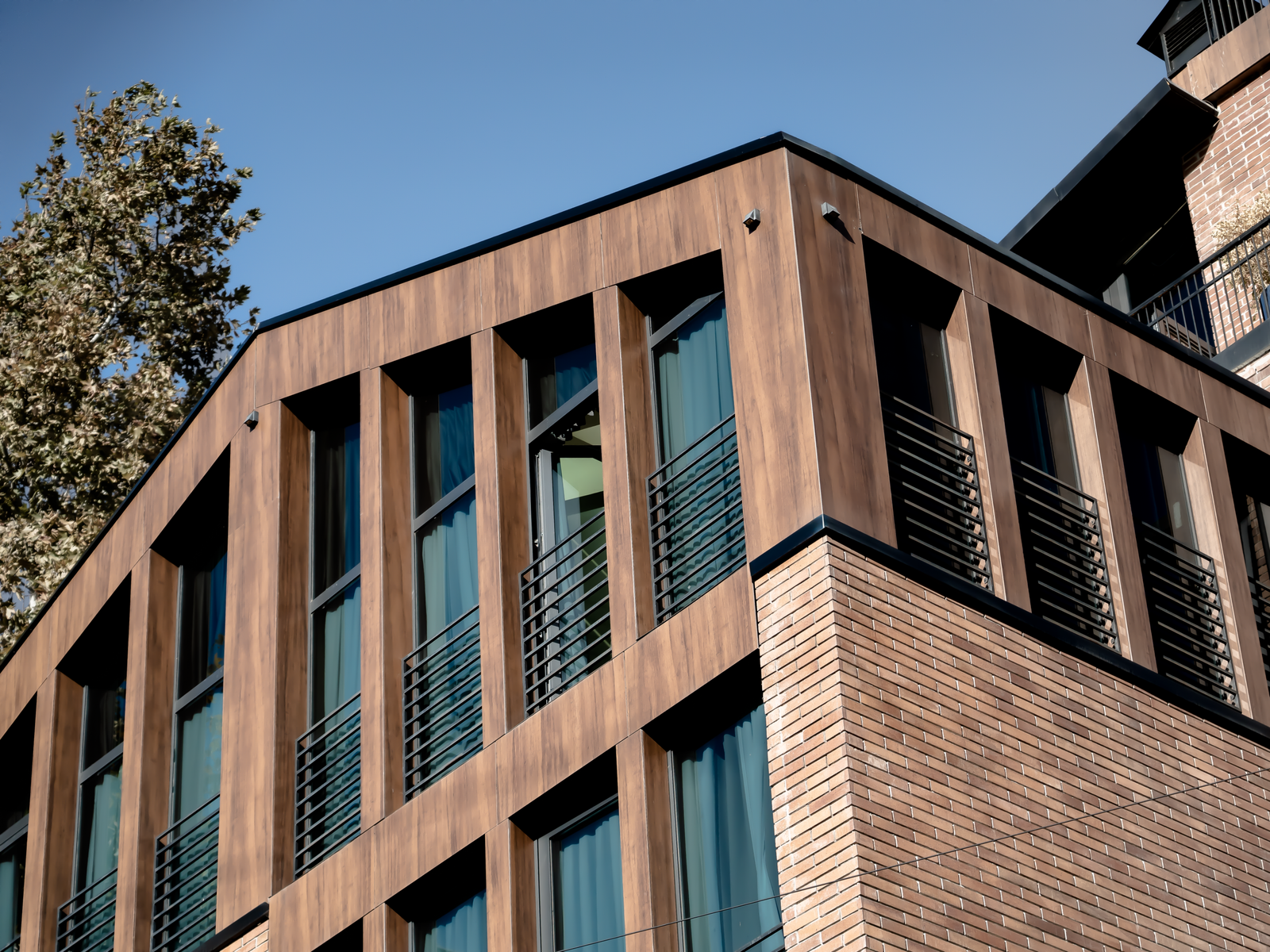
The architectural vision for the renovated hotel prioritizes harmony with the surrounding urban fabric while introducing a modern expression that enhances the functionality and aesthetic appeal of the building. Materials, textures, and proportions were carefully selected to reflect the historic character of Bako Street while conveying a contemporary identity appropriate for a 21st-century hospitality environment. Large openings, terraces, and modern glazing were strategically incorporated into the new volumes to ensure natural light, spatial openness, and visual connections between interior spaces and the surrounding street.
Through this careful integration of old and new, the project demonstrates how historic preservation and contemporary architecture can coexist within a sensitive urban context. The preserved street façade maintains the architectural continuity of Bako Street, while the modern additions provide the flexibility, comfort, and functionality required for a hotel. This dual approach not only respects the cultural and historical value of the site but also contributes positively to the ongoing development and revitalization of the neighborhood.
Ultimately, the project reflects a design philosophy that values both heritage and innovation. By conserving the most historically significant elements of the existing building and introducing contemporary architectural interventions in a measured and contextual manner, the hotel becomes a model of adaptive reuse in Tbilisi’s historic districts. The completed building successfully bridges the gap between the city’s 19th-century architectural legacy and modern urban needs, creating a hotel that is simultaneously respectful of history and forward-looking in its design.