Project About
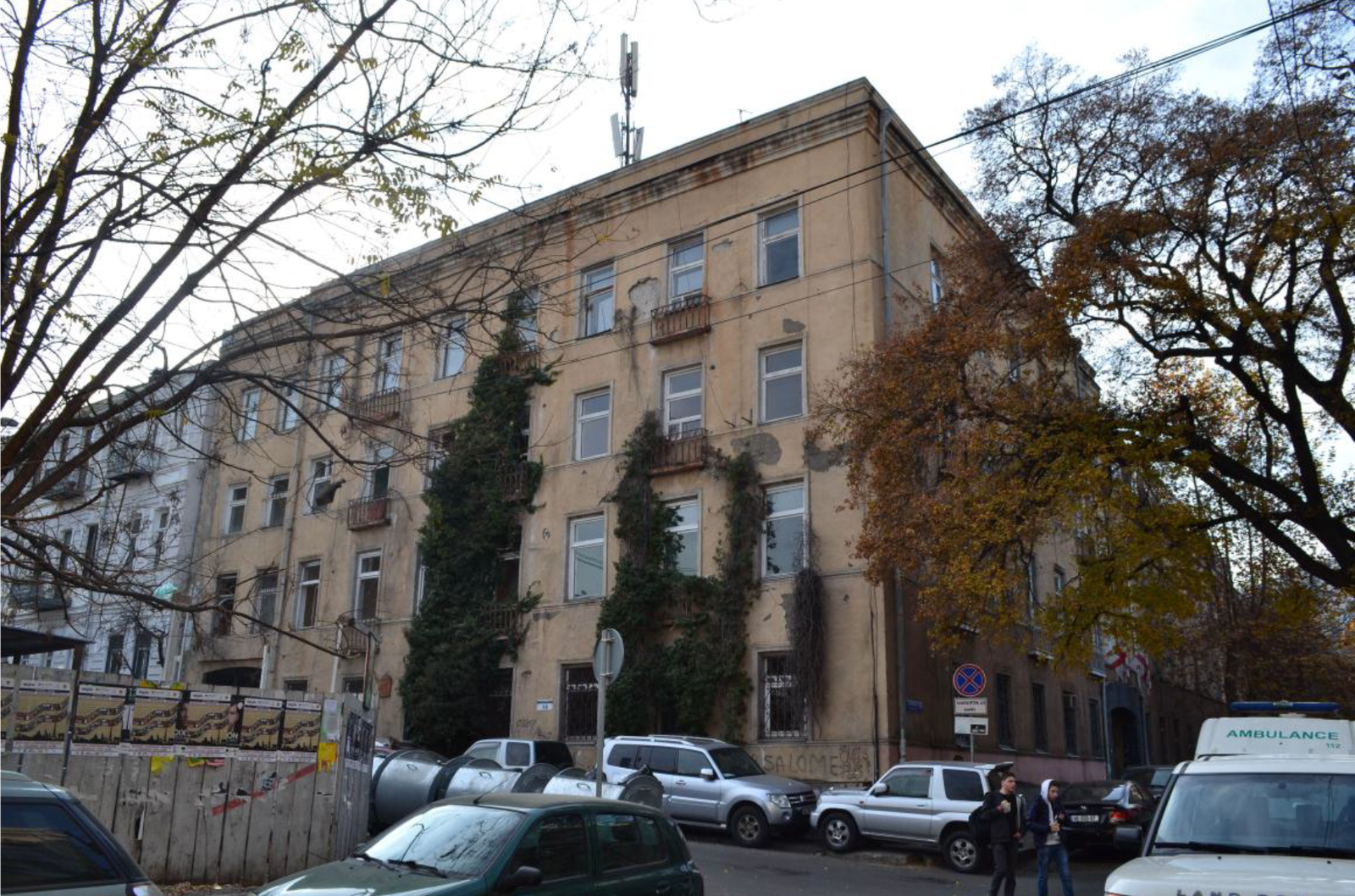
Based on a joint decision made by the architectural bureau and the client, the administrative building constructed in the 1970s was selected for renovation and adaptive reuse rather than demolition. The project aimed to transform the existing structure into a contemporary hotel building with approximately 90 guest rooms, introducing a new function into the urban fabric while preserving the architectural continuity of the district. This approach reflects a sustainable and culturally sensitive strategy, where the existing building stock is reinterpreted to meet modern needs.
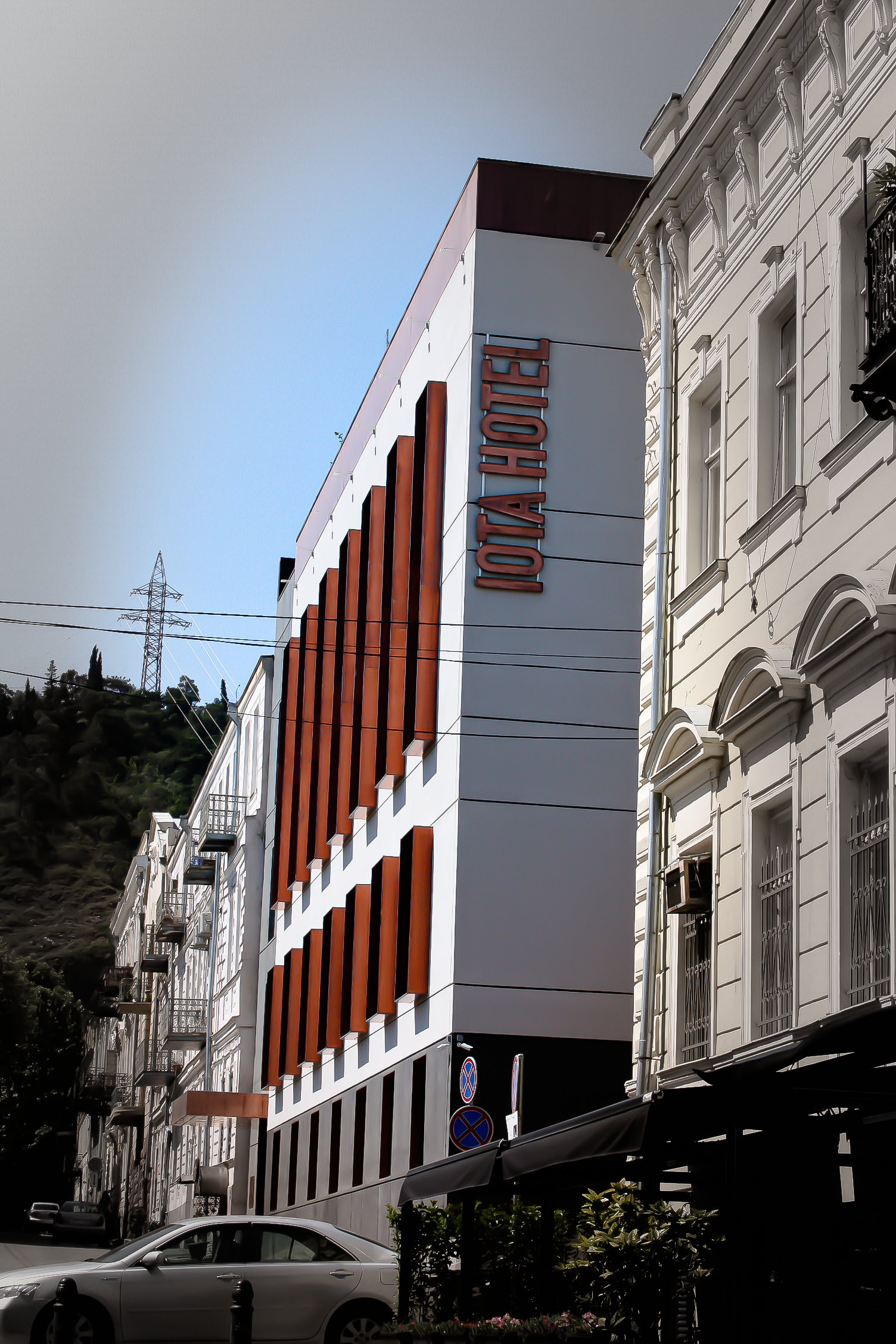
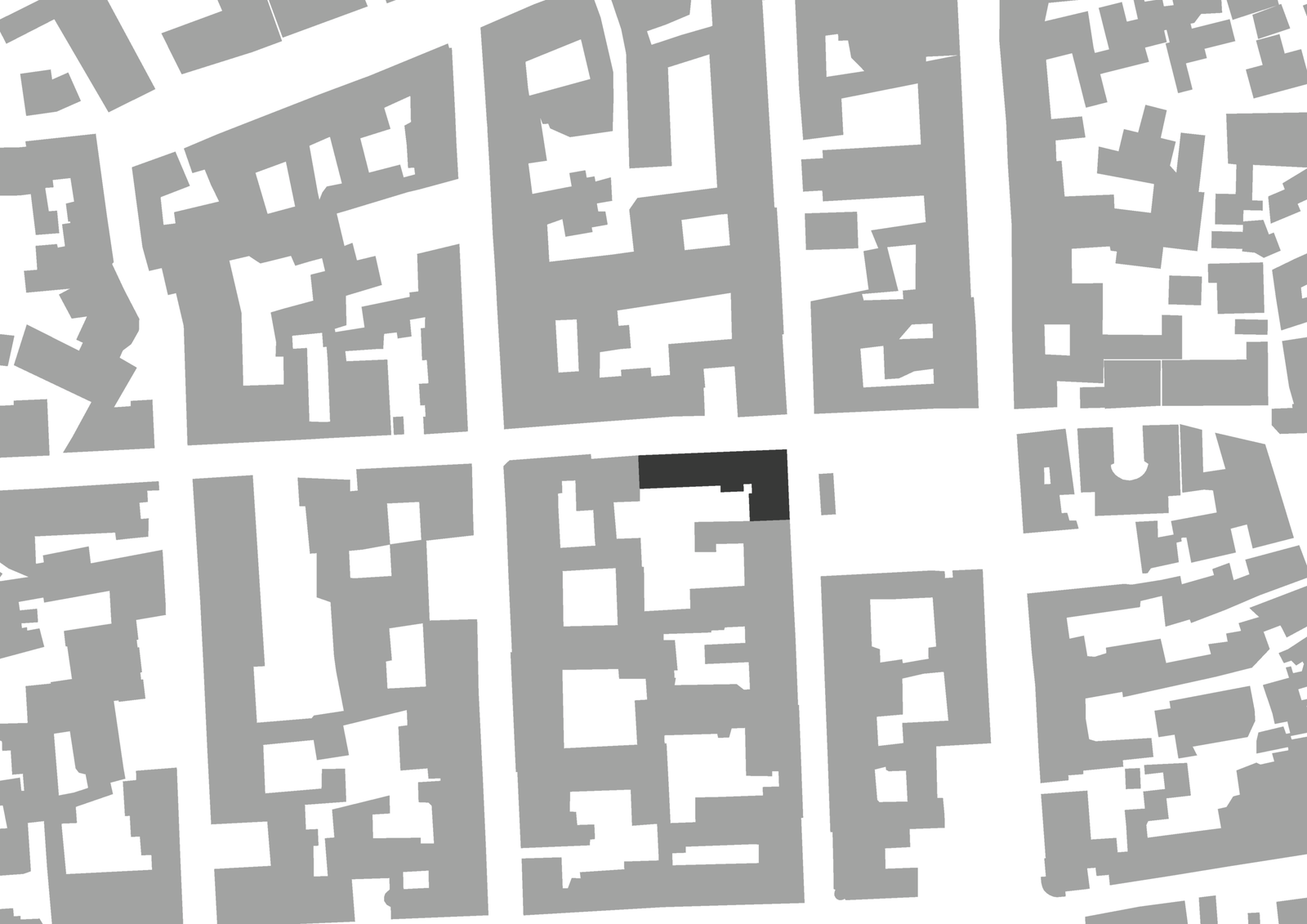
The building is located in Sololaki, one of Tbilisi’s most historically valuable and architecturally rich neighborhoods. Sololaki is known for its dense urban structure, eclectic architectural heritage, and unique atmosphere shaped by 19th and early 20th century residential buildings, narrow streets, and layered cultural identity. Any intervention in such a context requires careful consideration of scale, appearance, and the relationship between new architectural expressions and the historical environment.
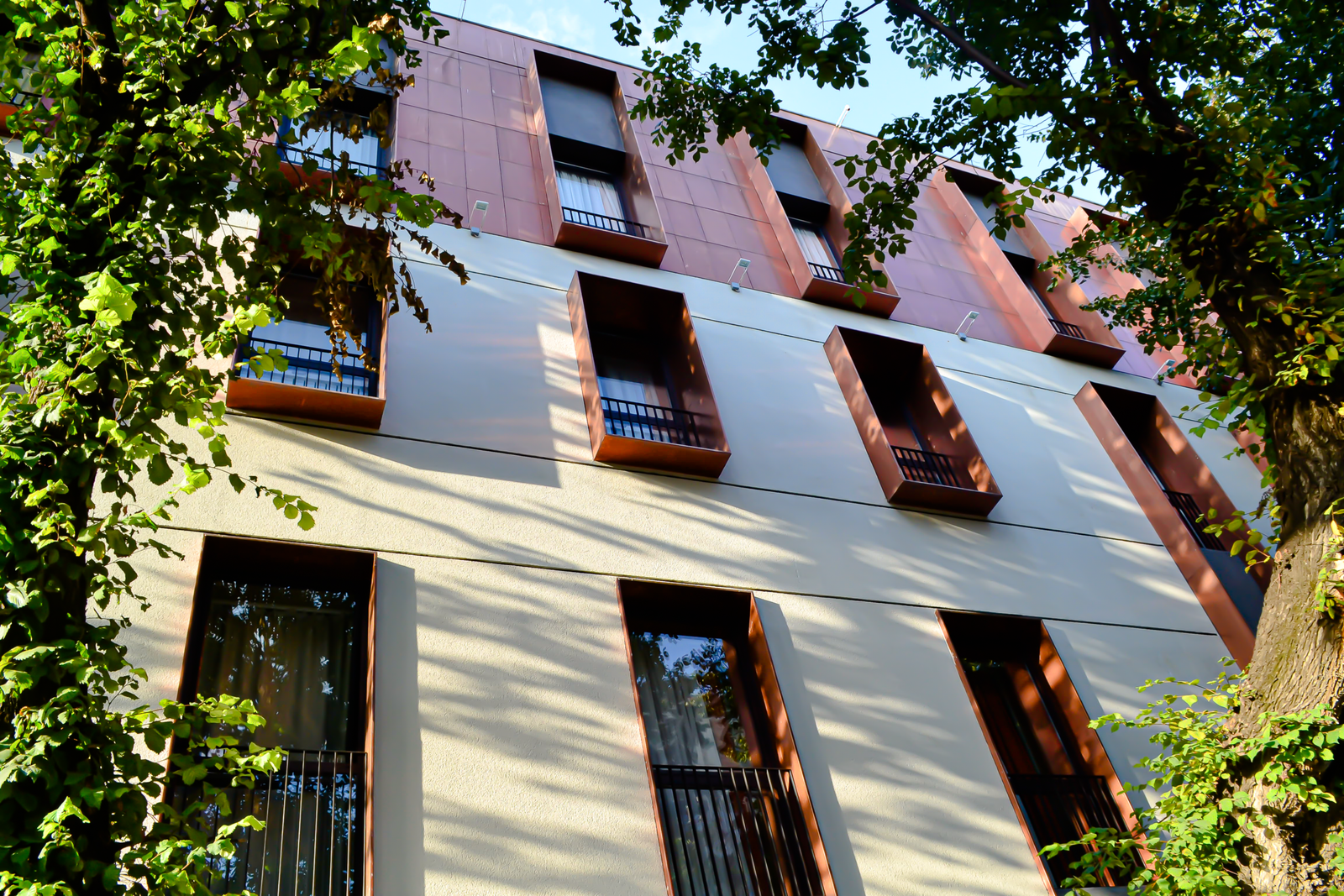
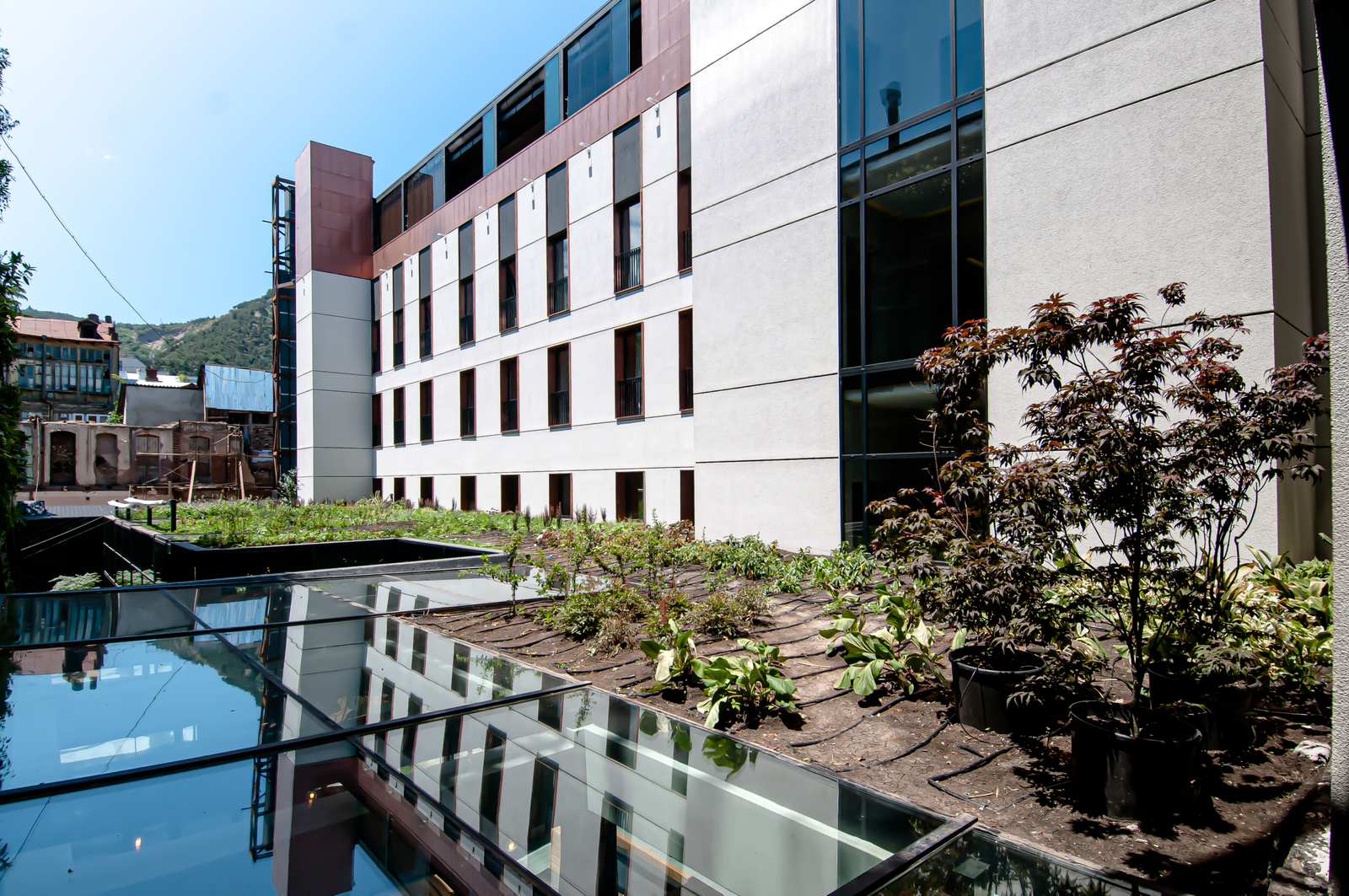
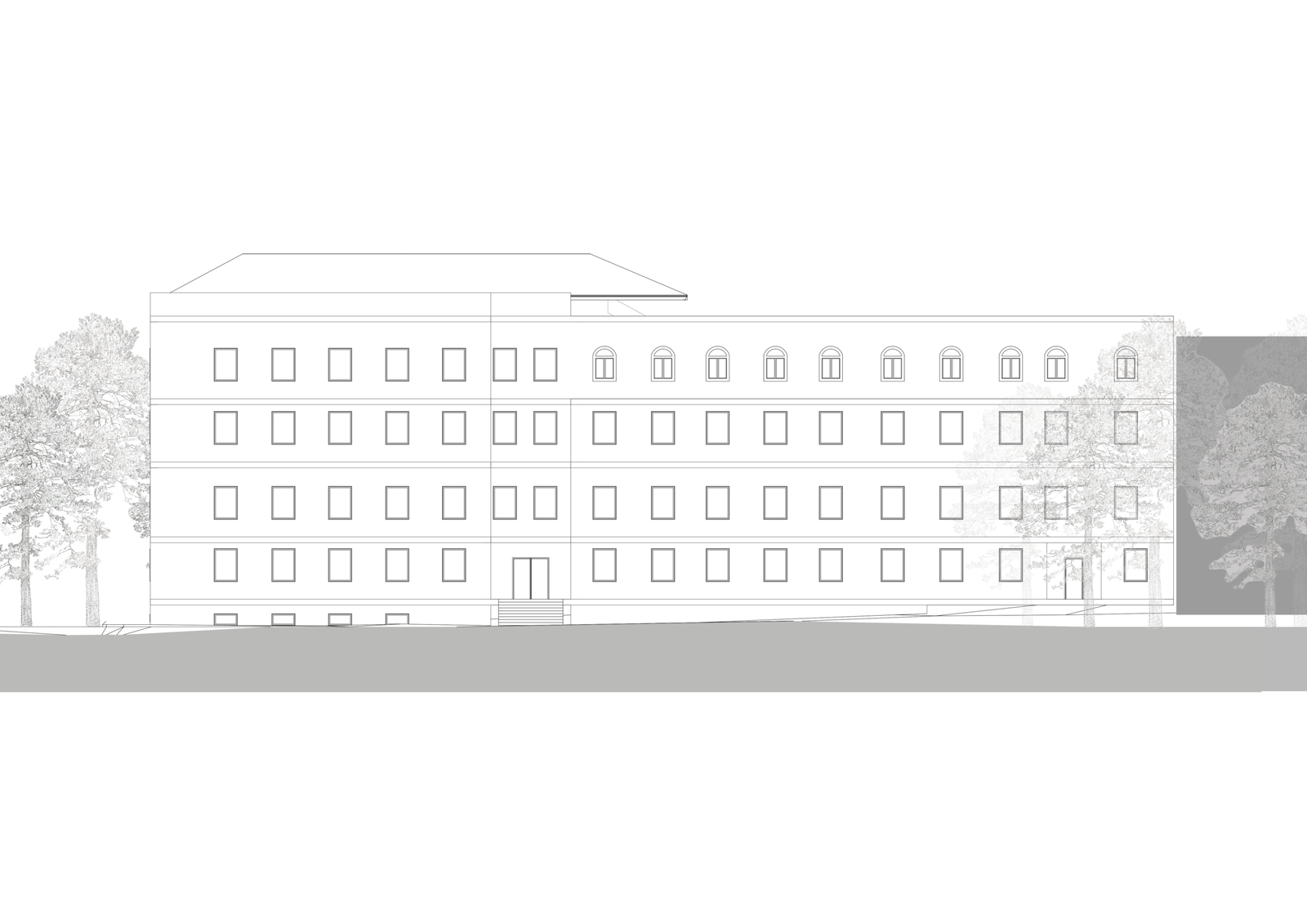
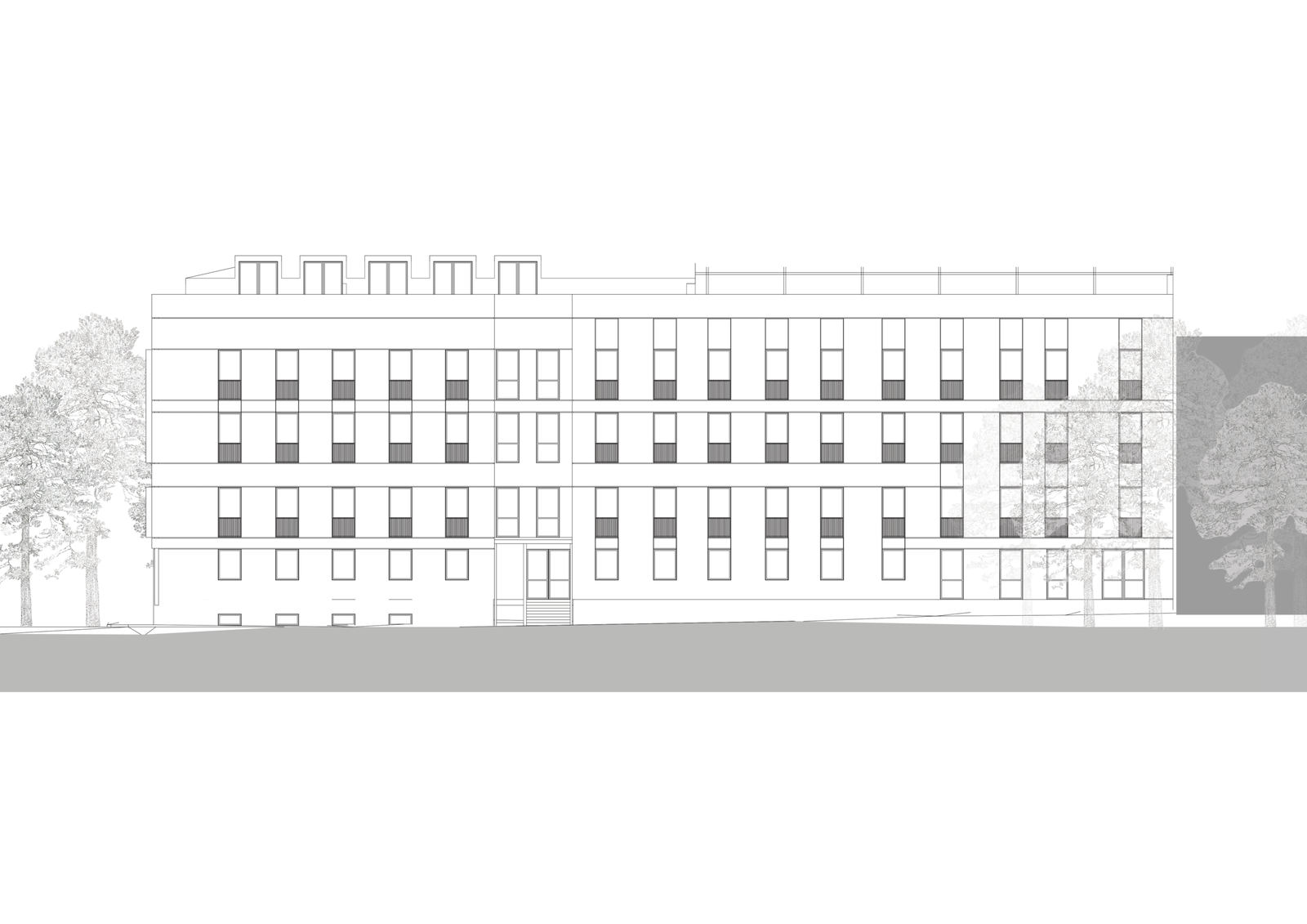
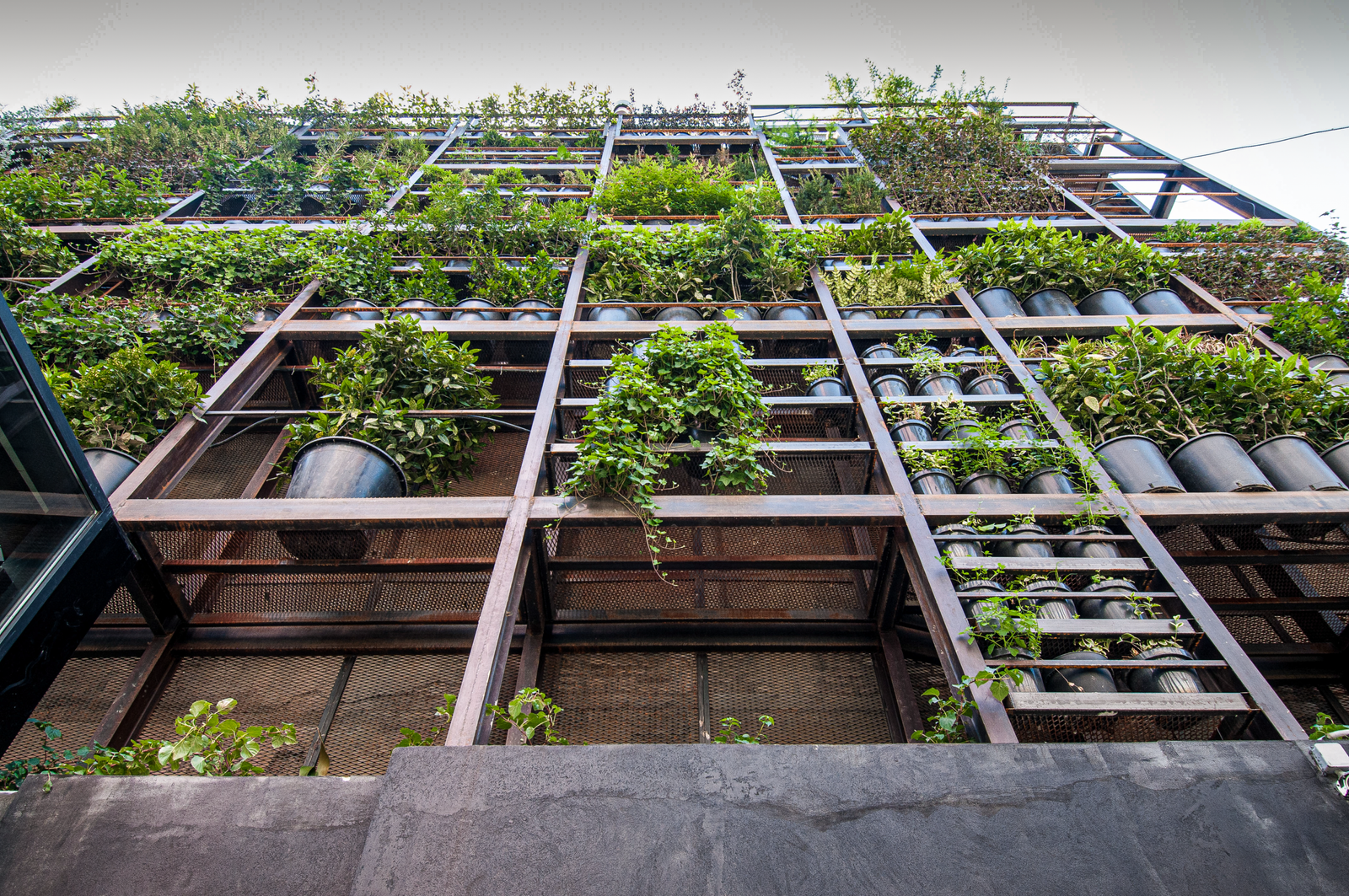
Taking into account the significance of this historical district, the updated building’s exterior was designed using minimalist architectural methods. Rather than competing with the ornate and decorative character of Sololaki’s older facades, the renovation proposal sought to establish a calm and restrained architectural presence. Minimalism became a tool for respectful integration, allowing the building to adopt a contemporary identity while remaining visually compatible with its surroundings.
The renovation process began with essential structural and material interventions. The old plaster layers were removed from the building’s façade, revealing the underlying condition of the structure and allowing for necessary restoration measures. This stripping back of the surface also symbolically aligned with the project’s conceptual direction—an architecture that embraces imperfection and incompleteness rather than decorative finality.
In parallel, the foundation and the load-bearing walls were structurally reinforced to ensure long-term stability and compliance with modern safety standards. Since the original building was designed for administrative use, its transformation into a hotel required significant engineering upgrades, including improved vertical circulation, updated seismic performance, and new service systems. These interventions were carried out with the aim of maintaining the integrity of the existing framework while enabling the building to support its new hospitality function.
The architectural design of Hotel Iota, including its interior spaces and engineering solutions, was guided by a central conceptual statement: “nothing is eternal, nothing is complete, and nothing is perfect.” This philosophy became the foundation of the project’s identity, shaping both its aesthetic language and its spatial atmosphere. Rather than striving for polished perfection, the design embraces rawness, openness, and the beauty of unfinished or evolving architectural elements.
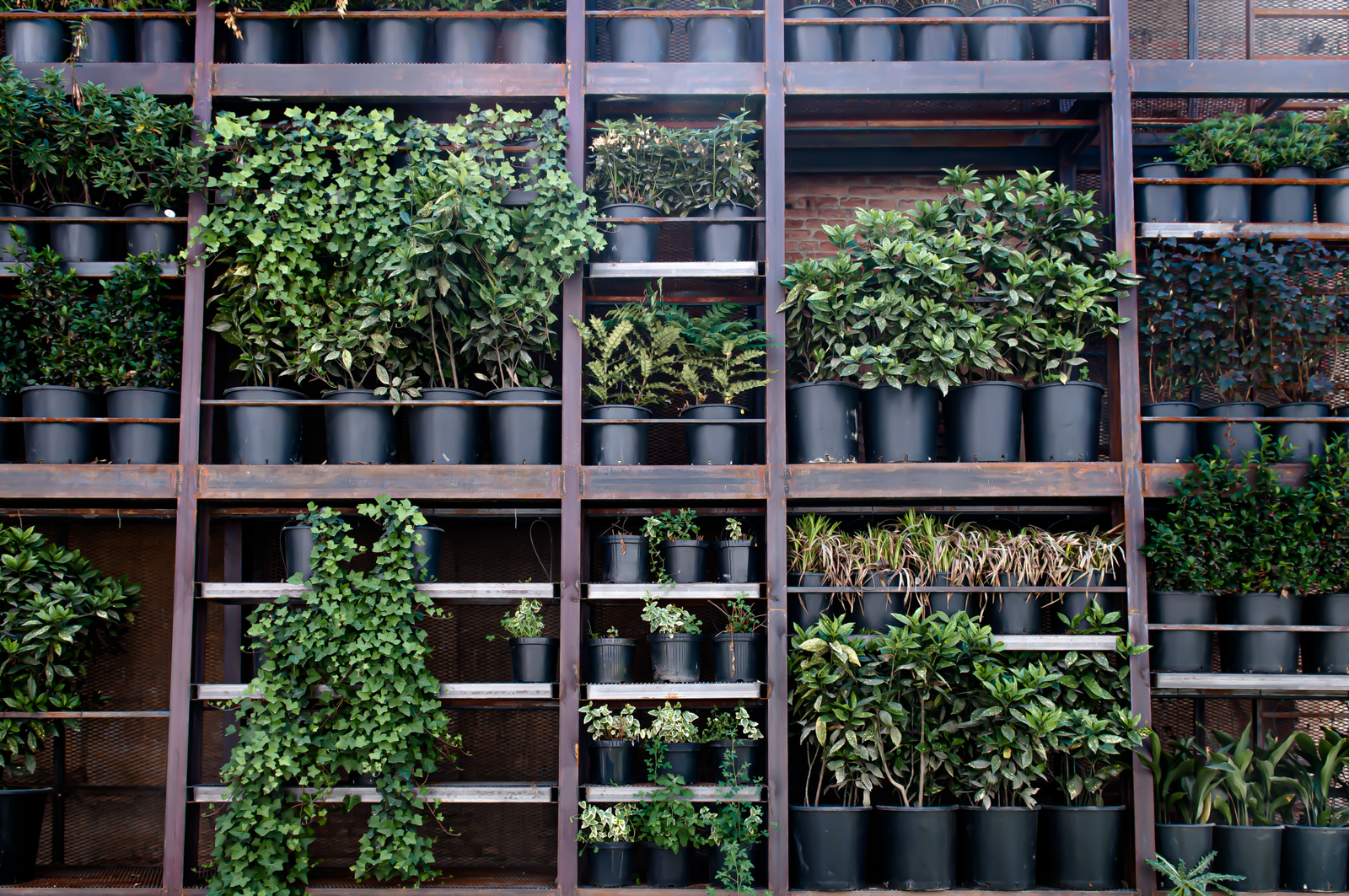
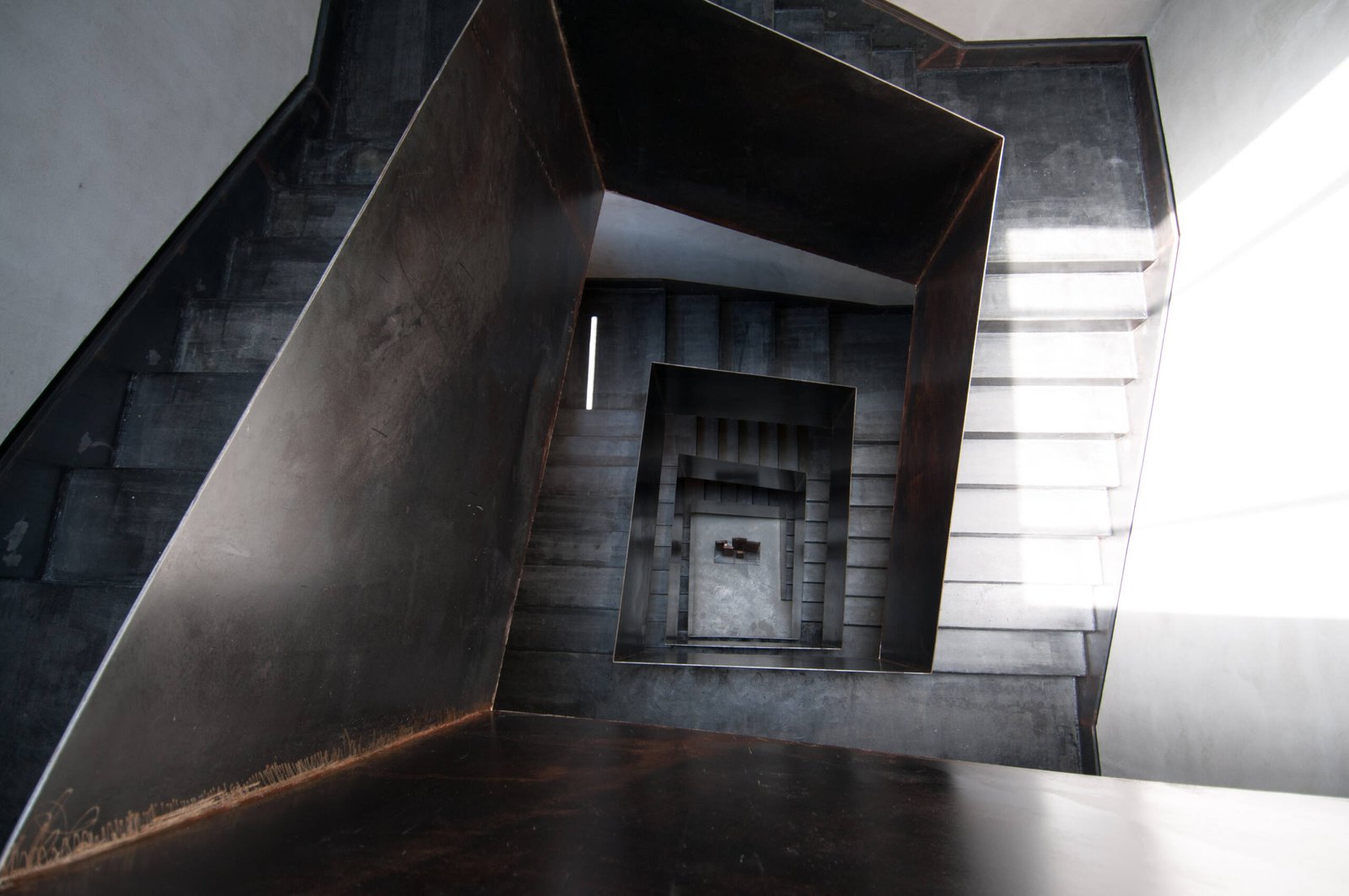
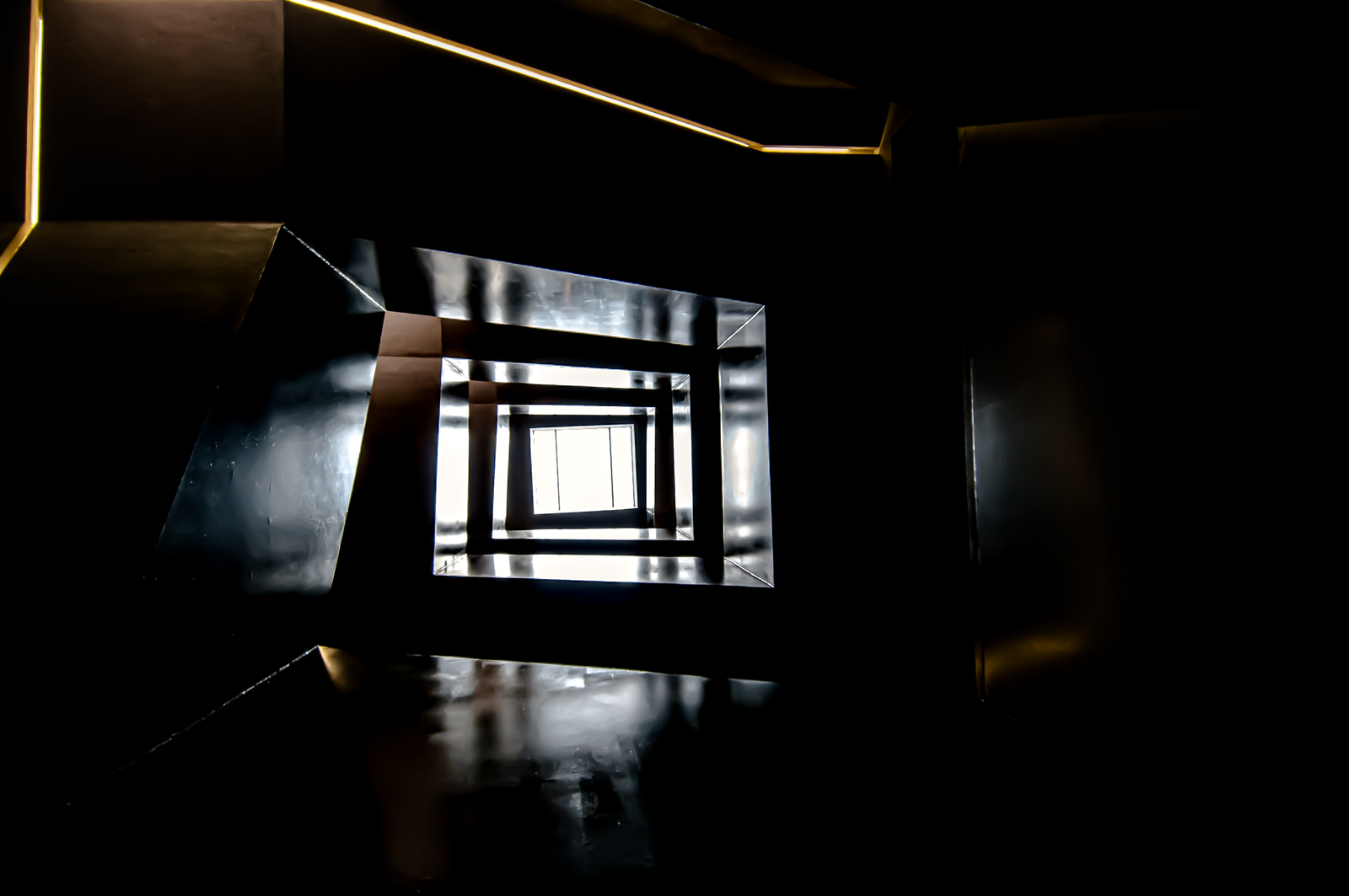
This idea is expressed through material choices, detailing, and spatial composition. Surfaces may appear intentionally exposed, structural elements may remain visible, and transitions between old and new are not concealed but highlighted. The building becomes a place where time, transformation, and layering are acknowledged rather than erased. Such an approach reflects a contemporary architectural attitude that values authenticity and process over decorative completeness.
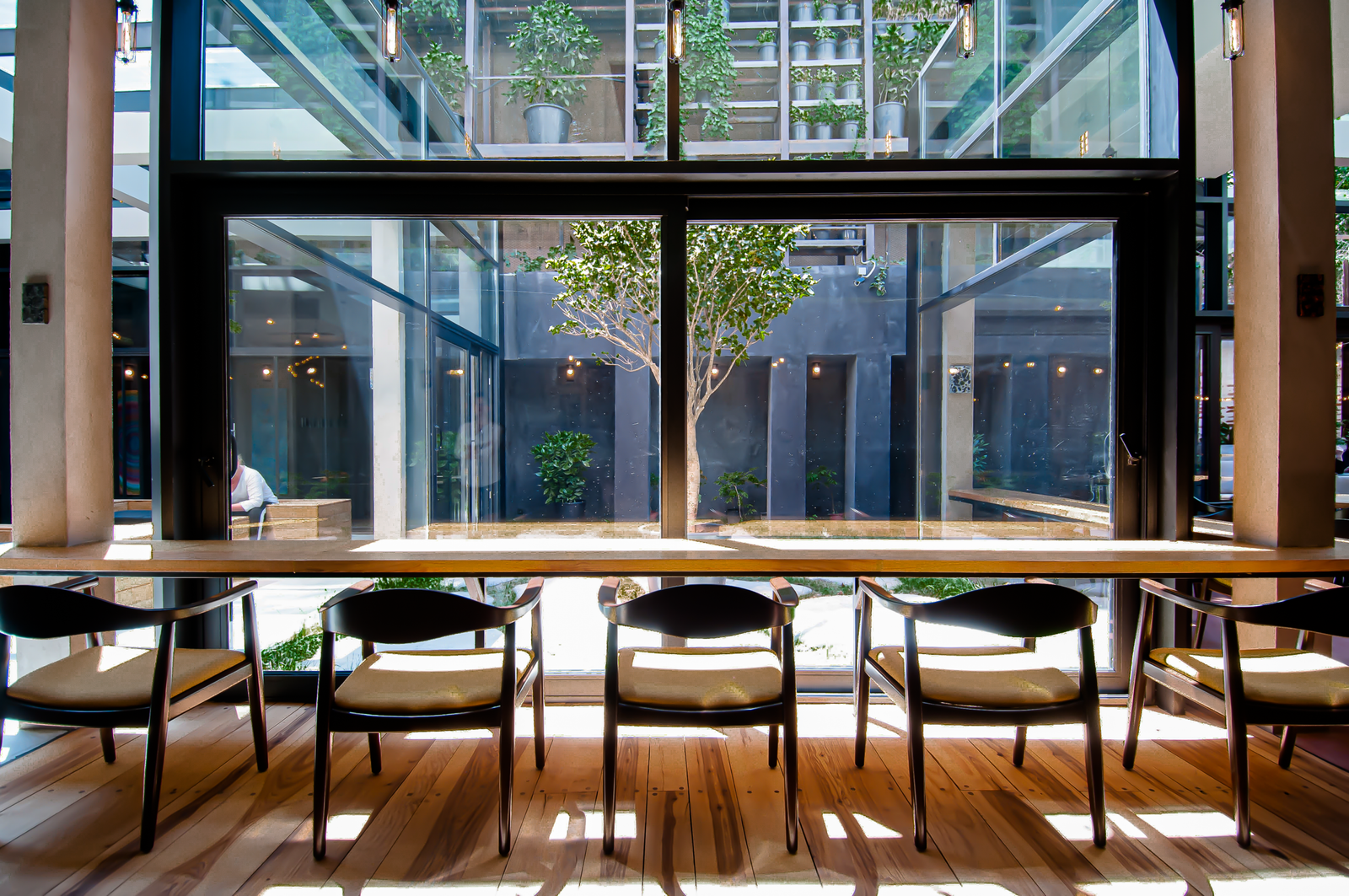
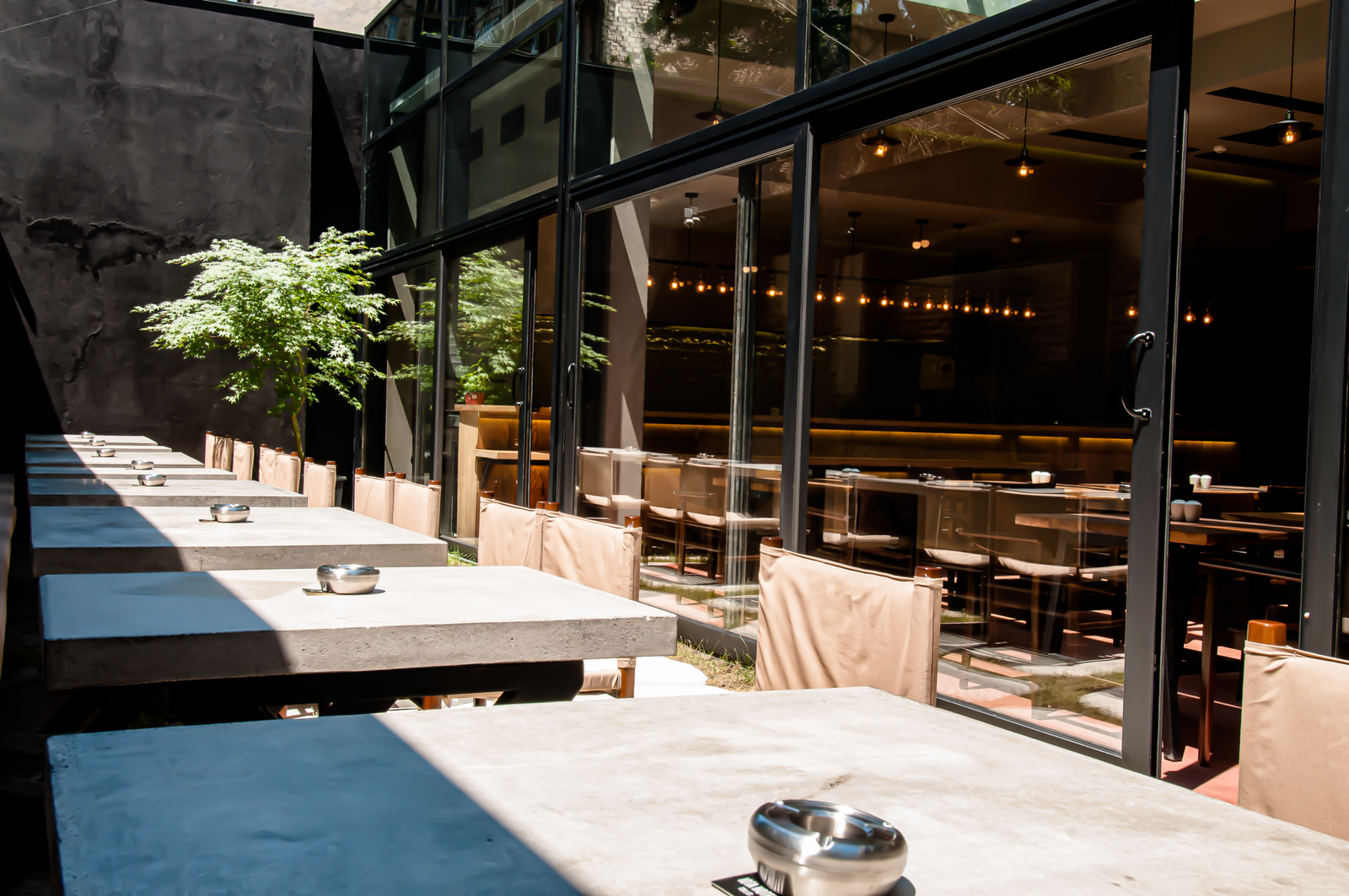
Inside the hotel, the design concept creates a distinctive environment for guests, offering an experience that feels both modern and rooted in the building’s past. Engineering systems and functional requirements are integrated carefully, yet they do not dominate the architectural character. Instead, they support a spatial narrative where the building is perceived as a living structure—one that has been adapted, reinterpreted, and left open to future change.
The result is not simply a renovated hotel, but a thoughtful architectural intervention that balances preservation, modernization, and conceptual depth. By reusing a 1970s administrative building within the sensitive context of Sololaki, the project contributes to the ongoing evolution of the city while respecting its historical layers. Hotel Iota stands as an example of adaptive reuse where minimalism, structural honesty, and philosophical intention combine to create a unique architectural identity within Tbilisi’s cultural landscape.