Project About
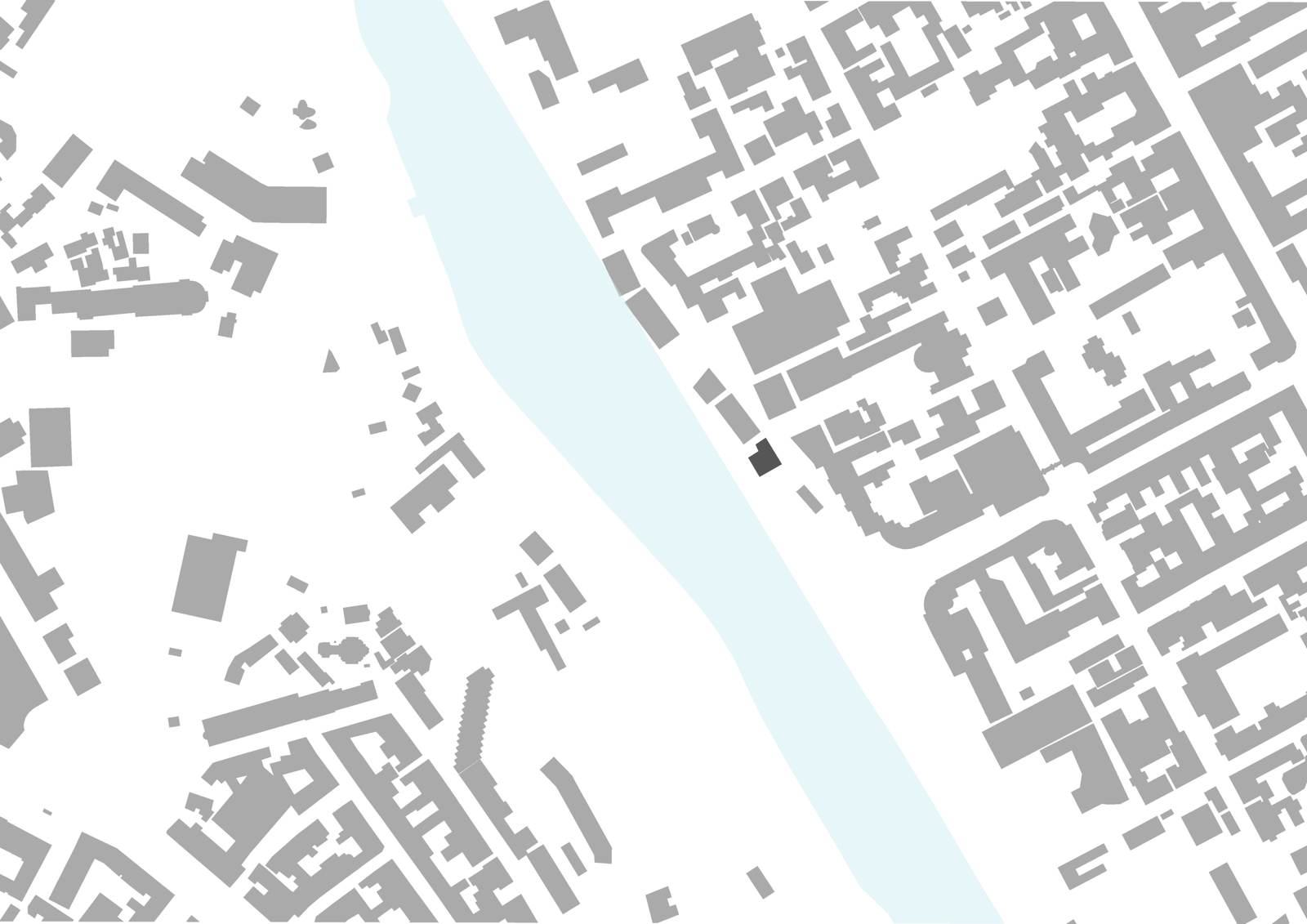
Ushangi Chkheidze Street is characterized by a diverse and historically layered urban fabric. The area is defined by a mix of building typologies, including residential houses constructed at the turn of the 19th and 20th centuries, which together create a distinctive streetscape reflecting Tbilisi’s architectural evolution. The street exhibits a variety of scales, materials, and stylistic expressions, providing a rich contextual framework for contemporary interventions.
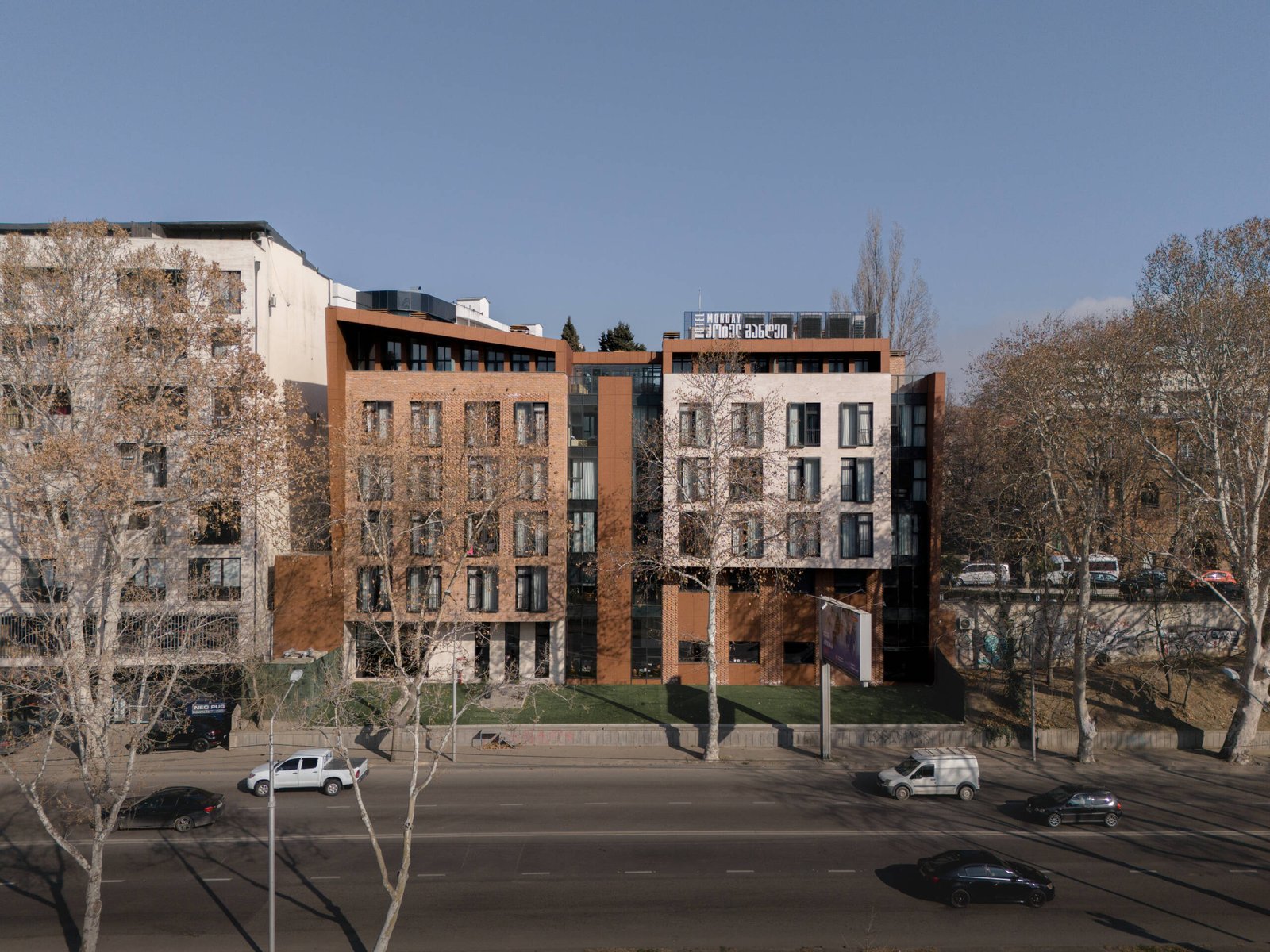
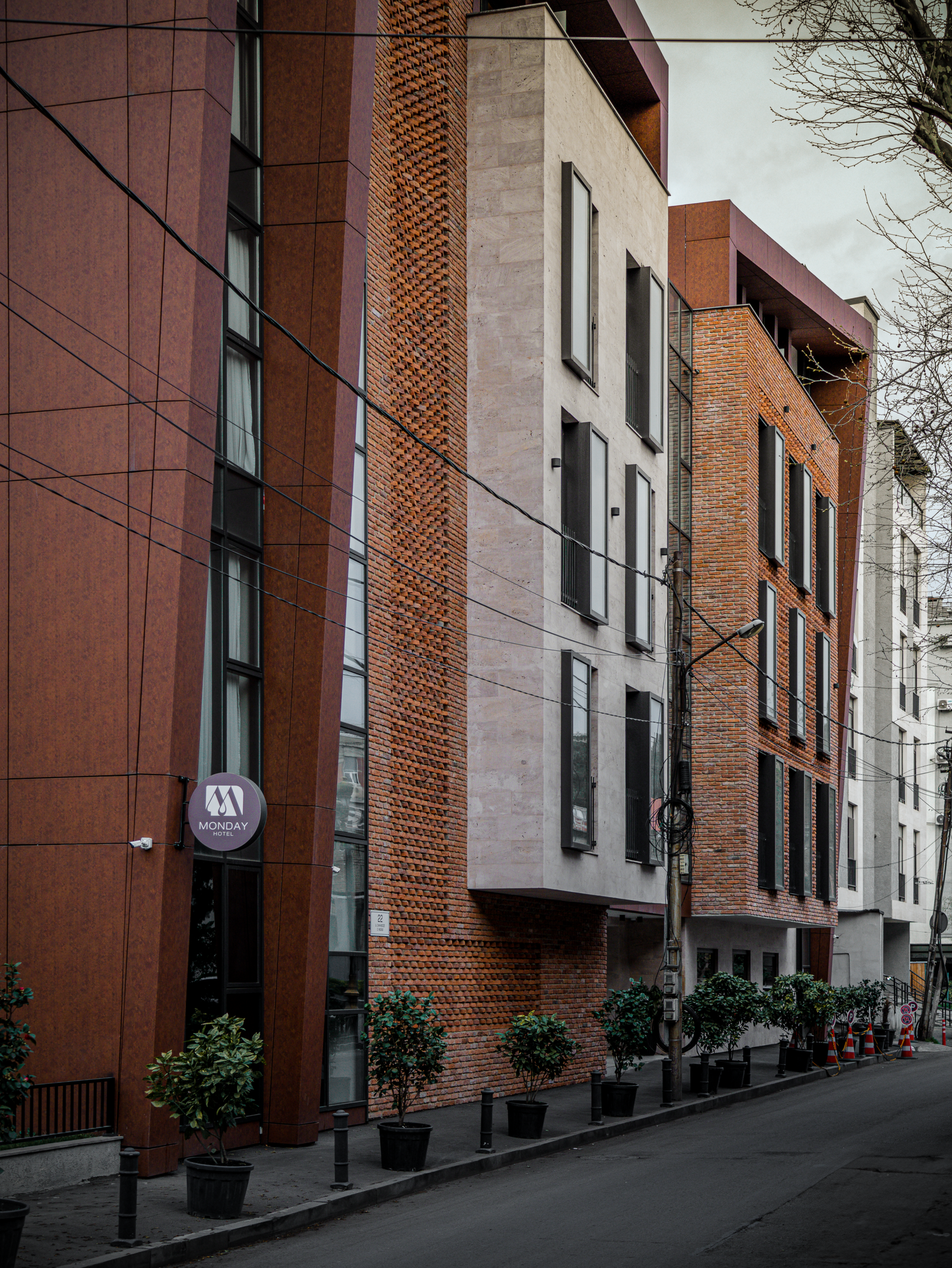
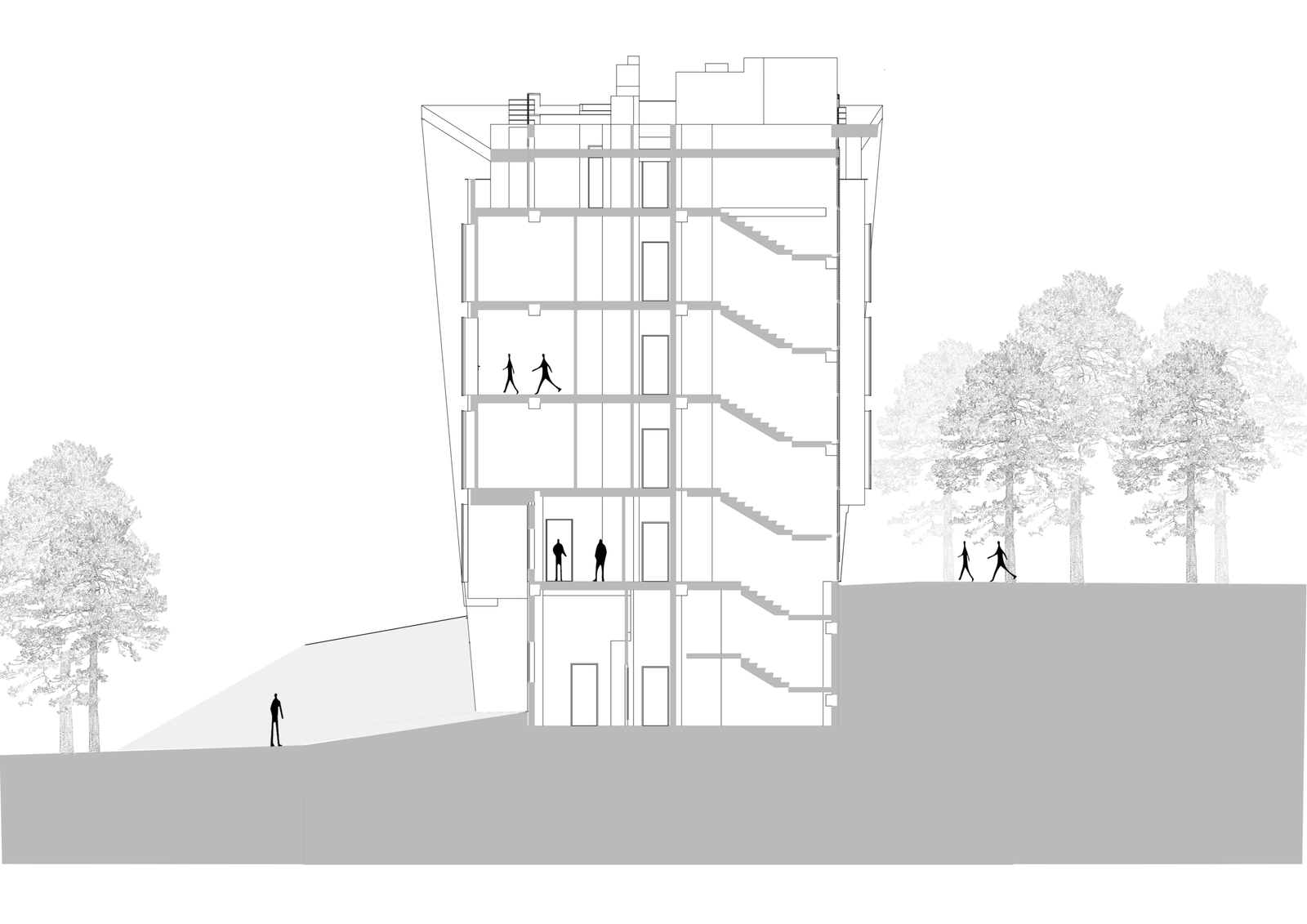
Within this historically significant environment, a 65-room hotel was designed to respond sensitively to the surrounding urban context. The building is conceived as a five-storey structure, carefully set back from the Chkheidze Street line to respect the rhythm of the historic street frontage and maintain a harmonious relationship with adjacent buildings. This setback strategy ensures that the hotel integrates seamlessly into the existing streetscape while also allowing for landscaped outdoor areas along the property line.
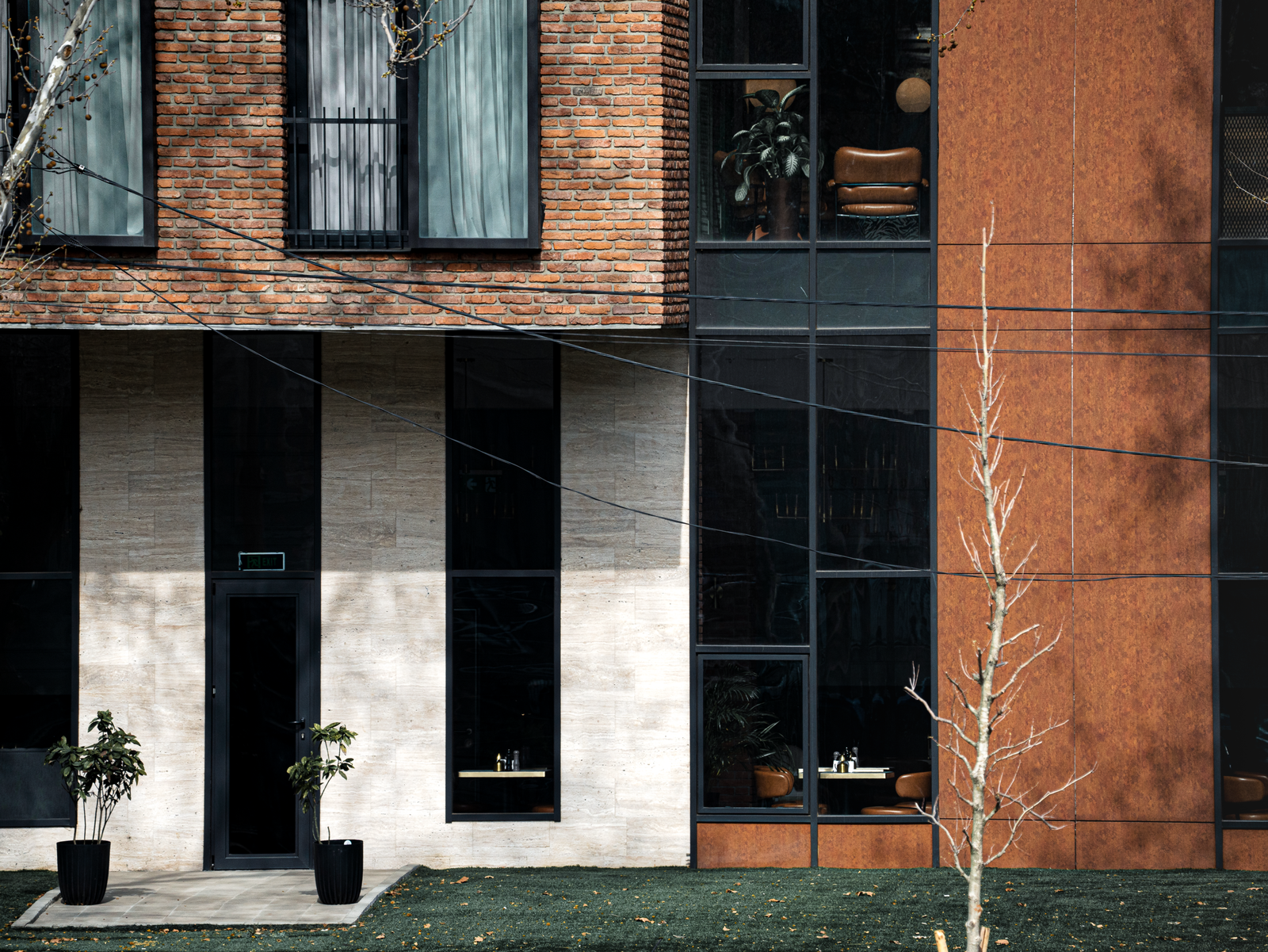
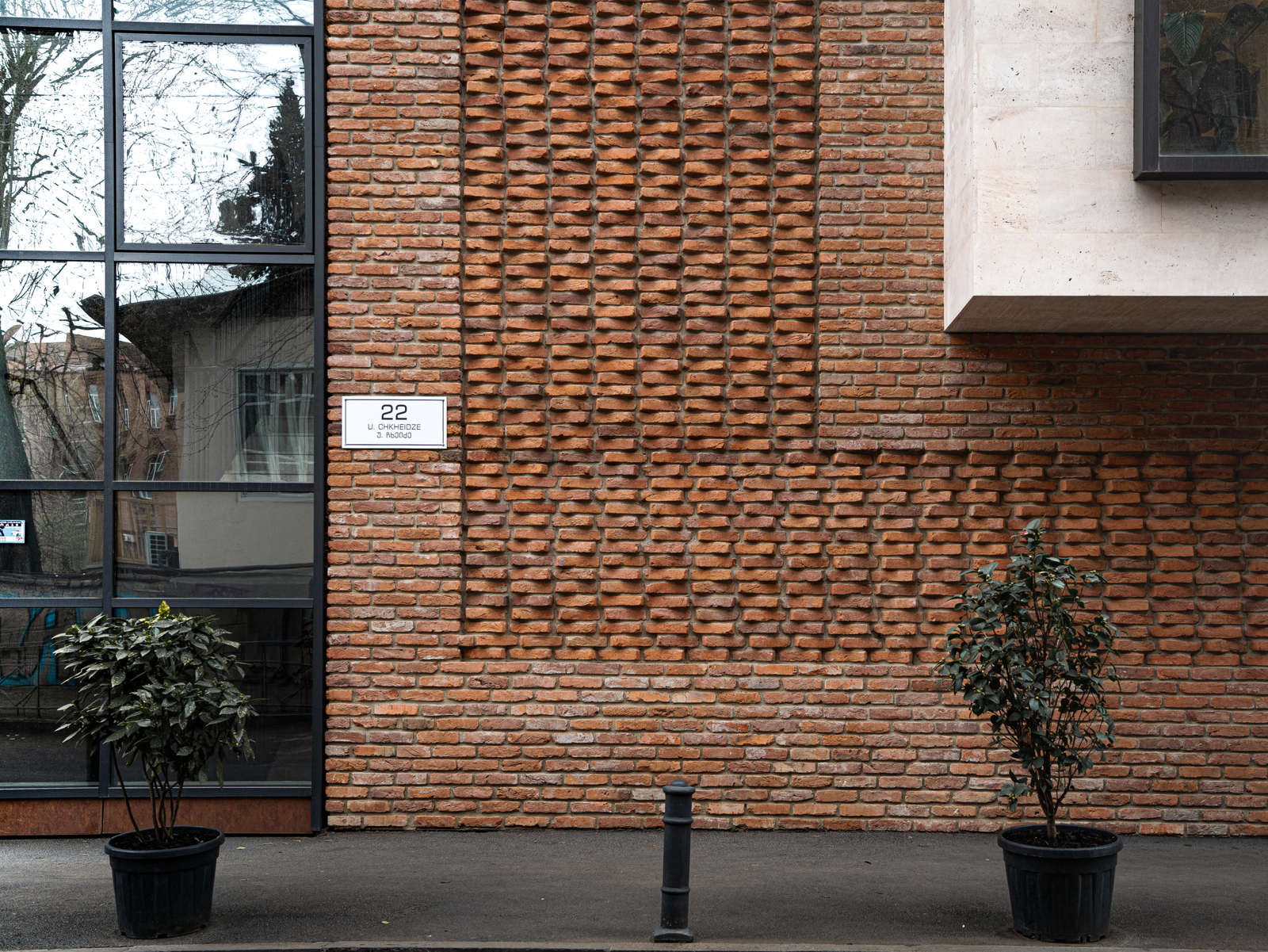
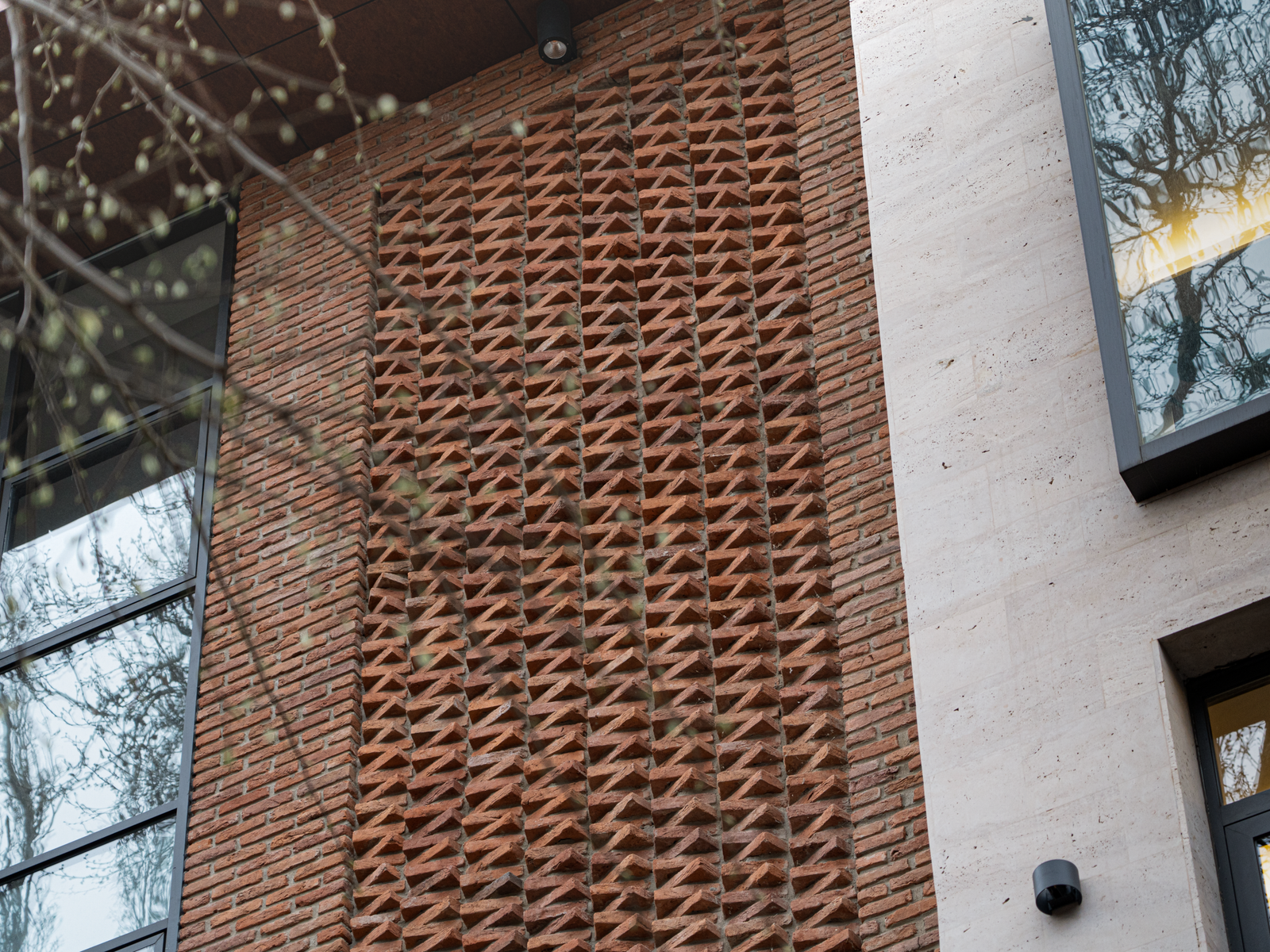
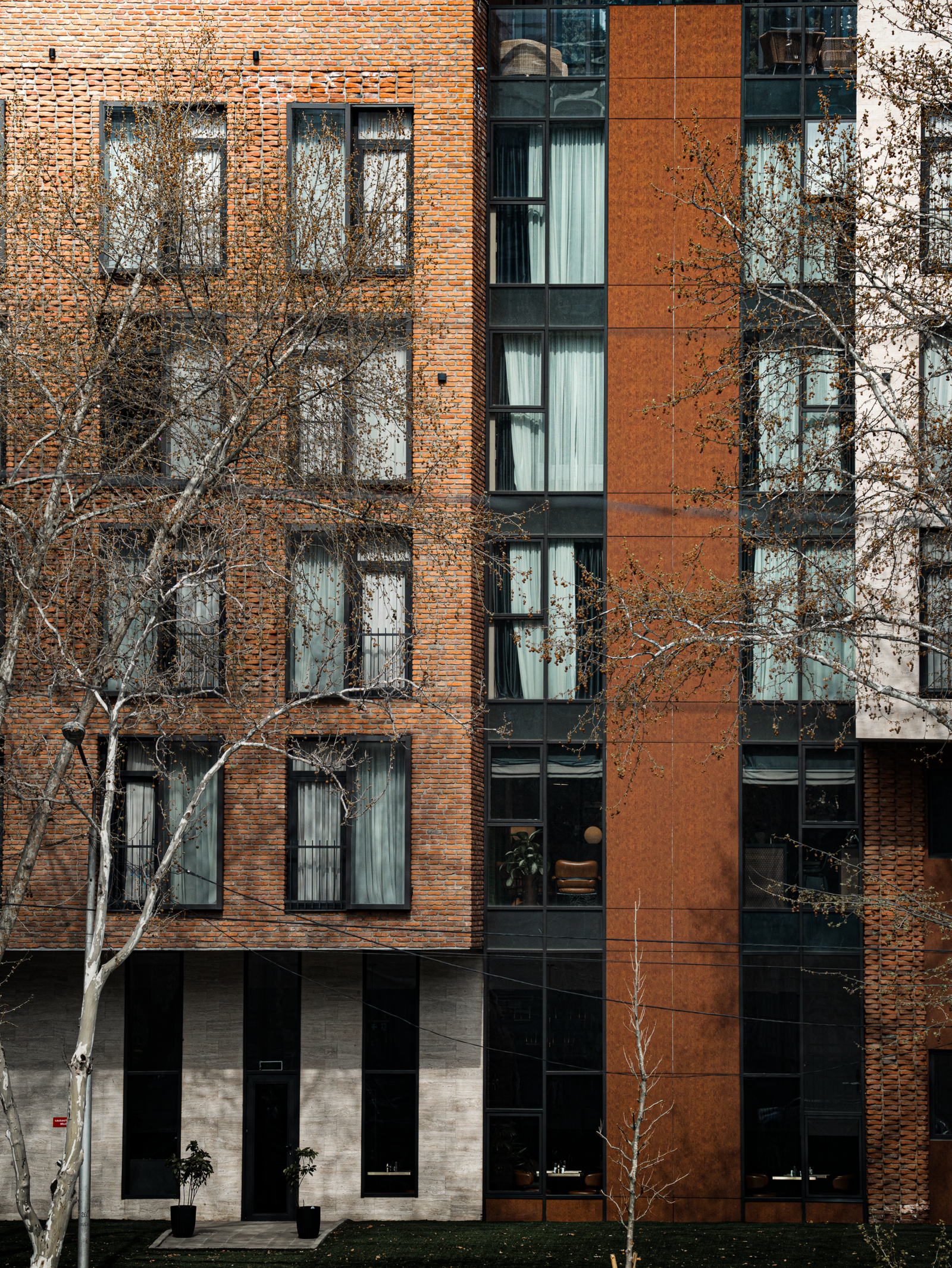
The architectural concept of the hotel is defined by the composition of two interrelated volumes, each expressing distinct material and formal characteristics while remaining part of a unified architectural whole. The first volume reflects the historic character of the district, with façades treated in decorative brickwork reminiscent of traditional Tbilisi residential buildings. The brick detailing emphasizes vertical and horizontal rhythms, creating a sense of texture, depth, and continuity with the surrounding historic fabric. These façades establish a visual dialogue with the older residential structures nearby, reinforcing the architectural identity of the street.
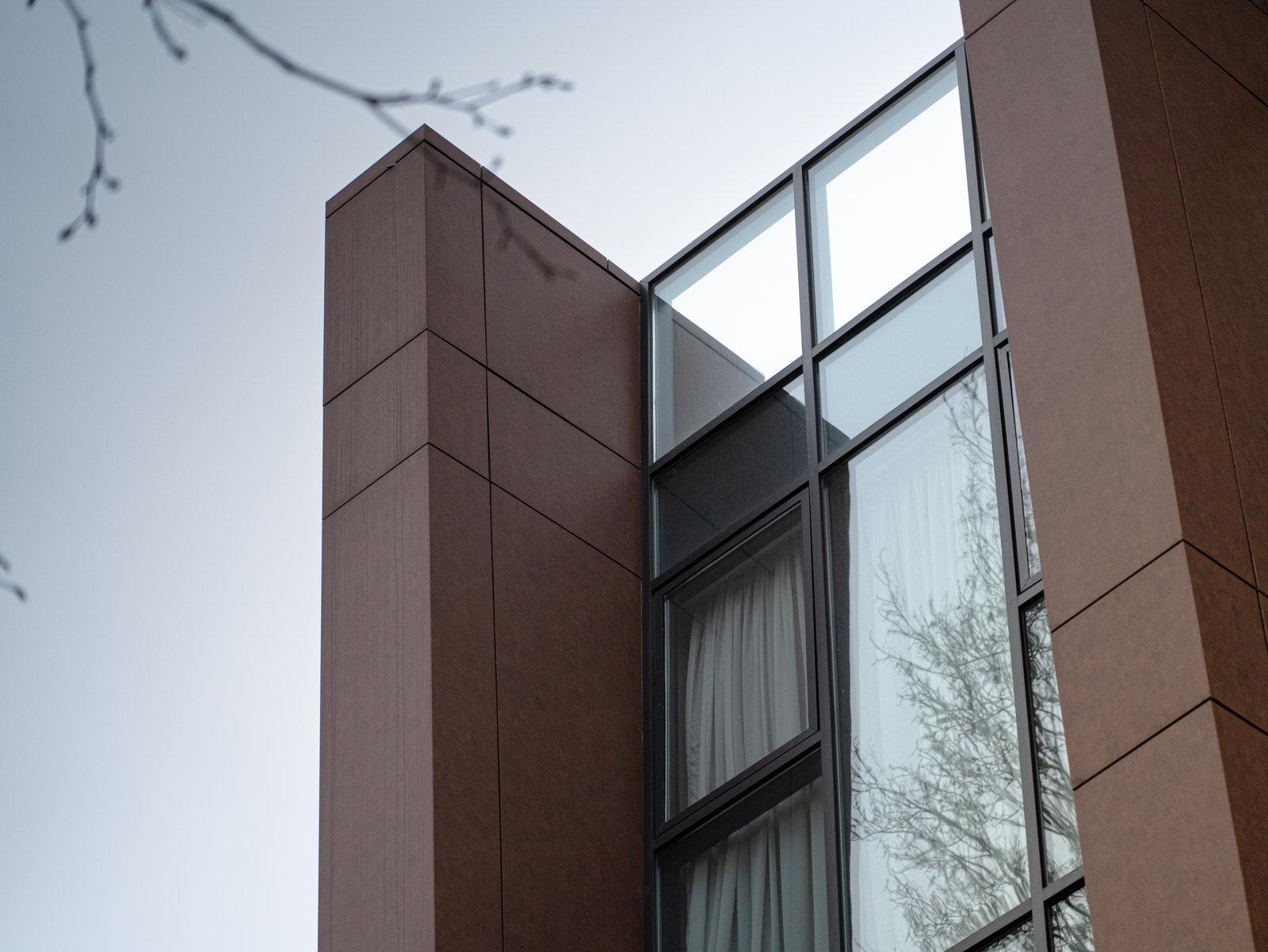
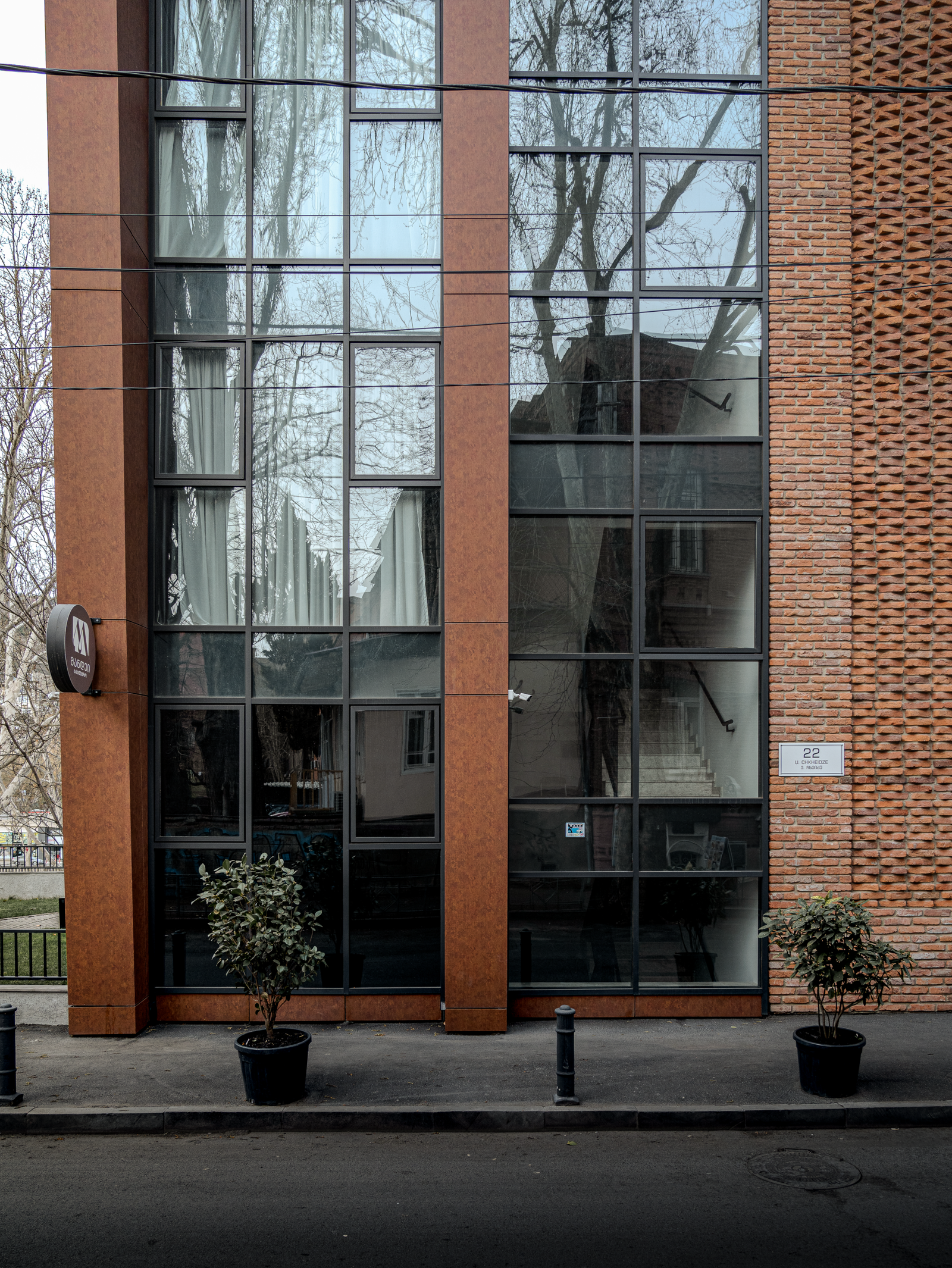
The second volume introduces a contemporary material palette and expresses a more refined and sculptural character. It is clad in travertine stone, whose natural surface and subtle tonal variations create a timeless and elegant appearance. The combination of brick and travertine allows the building to balance historic reference with modern architectural expression, providing visual interest and variety across the composition. The two volumes are seamlessly connected by vertical glass elements, which serve both functional and aesthetic purposes. These glazed connectors create transparency, allow natural light to penetrate the building, and establish visual continuity between the distinct volumes.
The building is topped with a roof covered in copper sheets, which not only ensures durability and weather resistance but also adds a material warmth and patina over time. The roof design, together with the terminating walls of the building, contributes to the formation of a sculptural relief “skin.” This relief articulation introduces a subtle play of light and shadow across the façades, enhancing the building’s visual presence without overwhelming the historic street context.
Through its careful composition of materials, volumes, and setbacks, the hotel establishes a dialogue with Ushangi Chkheidze Street, respecting the historic scale and character of the neighborhood while introducing a contemporary architectural language. The project demonstrates a considered approach to urban integration, where each design decision—from material selection to massing strategy—reinforces the relationship between the new building and its surrounding context.
Internally, the building accommodates 65 guest rooms, designed to provide comfort, functionality, and access to natural light. The organization of spaces prioritizes efficiency while offering a high-quality hospitality experience. The articulation of the exterior volumes reflects the interior program, allowing the building’s formal expression to convey the rhythm and hierarchy of spaces within.
In summary, the hotel on Ushangi Chkheidze Street represents a sensitive integration of contemporary architecture into a historic urban environment. By combining traditional brickwork, travertine cladding, glass connectors, and copper roofing, the project creates a rich material dialogue while respecting the historical identity of the street. The dual-volume composition, relief façades, and considered setback establish a balance between continuity with the past and the introduction of a modern architectural presence, ensuring the hotel contributes positively to the evolving character of the district.